THE DEEP

The Deep is based on my experiences as a survivor of the July 22nd terrorist attack in 2011, and is a drama-comedy about coming of age, trauma, and friendship.
The film follows Joachim and his best friend Kadir during their first year of high school, and how their friendship, and Joachim’s mental state, falls apart when confronted with his PTSD after the massacre on Utøya.
MOTIVATION
The idea of making a film out of my experiences came shortly after the events on Utøya, but it is only now—fifteen years later—that I am ready to realize it. The story and the characters are fictional, but based on my memories and experiences.
For a long time after Utøya I felt almost nothing: no grief for the victims, no love, anger, or deep joy. It was as if my entire emotional register was gone. I started therapy with T.R.E (Trauma Release Exercise) and other trauma methods, and gradually my feelings returned. It took almost a whole year before I cried the first time, or managed to get angry. Disconnected from everything, I tried to compensate—to be funny, have fun, keep it going. But it was film, and especially Japanese animation, that gave me room to laugh and cry again. Movies, and Anime became my way back to myself.
In the writing process, repressed memories and feelings still rise to the surface. There will never be a time where making this film is easy, but this is precisely why the film should be made now. Enough time has passed that we can endure a more multifaceted version of the story of July 22, but not so much time that it has lost its relevance and nerve. July 22 was a trauma for far more people than me— in many ways, for the whole country.
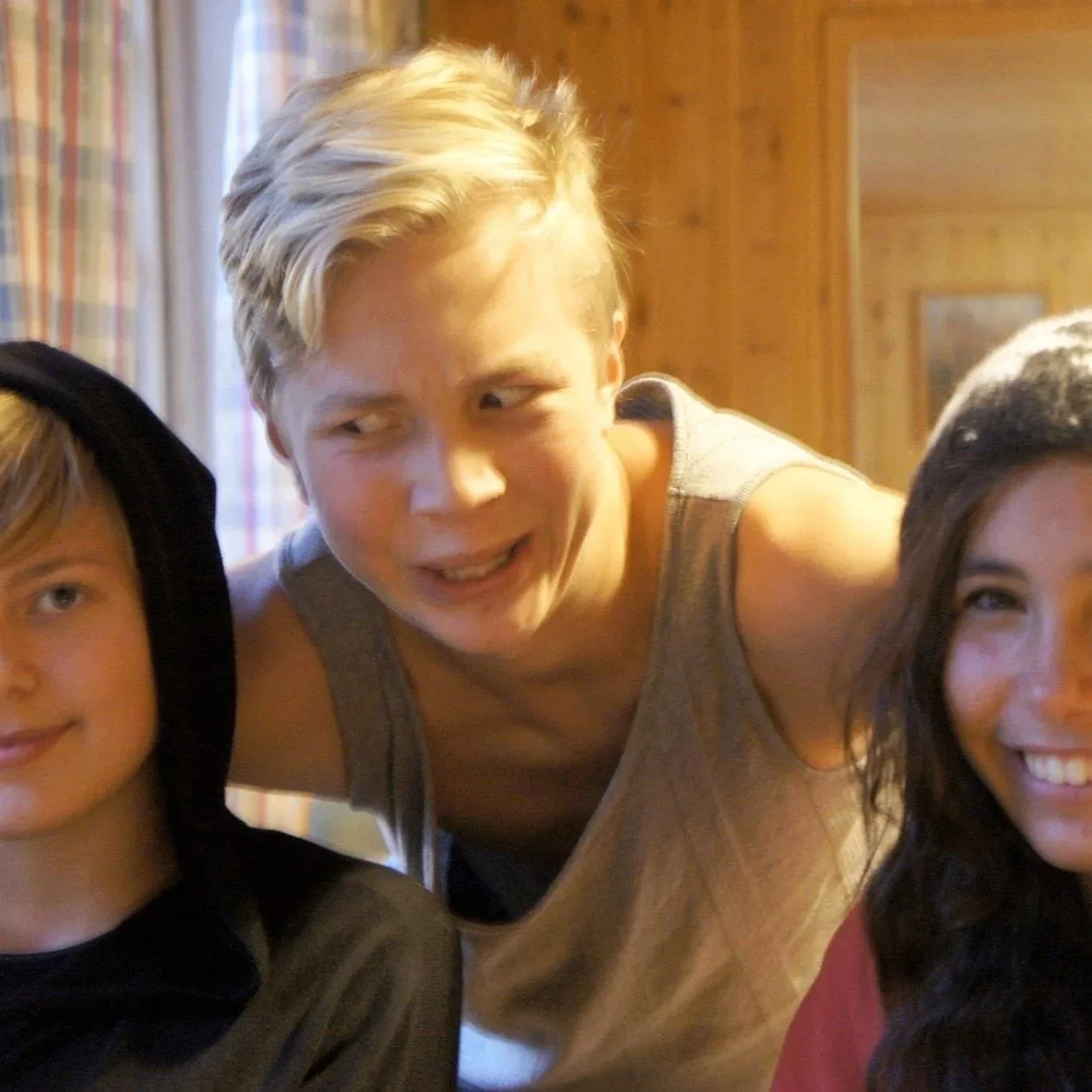
Me, the class clown, September 2011
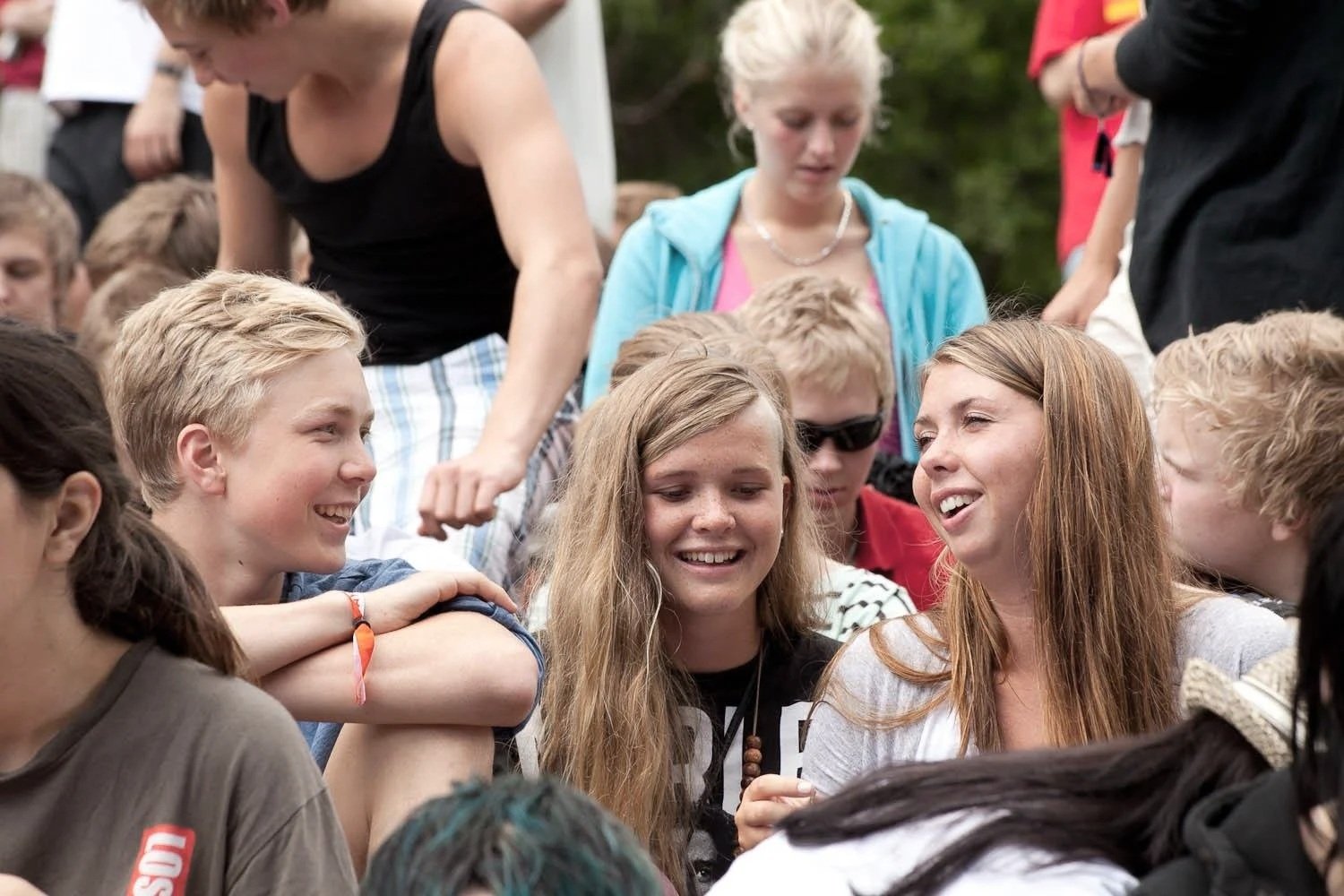
Utøya 2011, before the attack.
Stories of trauma in film are often reduced to tear-jerking sentimentality. My path through trauma was in many ways the opposite. I knew that I couldn’t cry, feel empathy, or take in what I had experienced, and I felt ashamed of it. At the same time, the alternative—actually feeling everything—seemed impossible. So I escaped, pretended, or became the class clown as a defense mechanism. I acted out and joked about the trauma, but ironically, the people around me didn’t have the same distance to it. They were able to feel everything I was unable to.
I spent many years in therapy working my way out of PTSD. The film focuses on the first period of that process, told over the course of one year. I want to portray the trauma with my own voice as a filmmaker, and at the same time share some of what helped me: the tools from therapy, and the feelings I carried. I want to make a film that can resonate with young people who struggle with mental illness, and give relatives and loved ones a language for what it feels like from the inside. The Deep is my reckoning with the events on Utøya, as a survivor and as a Norwegian, and I hope it can become that for the audience as well.
YOUTH AND EMOTIONS
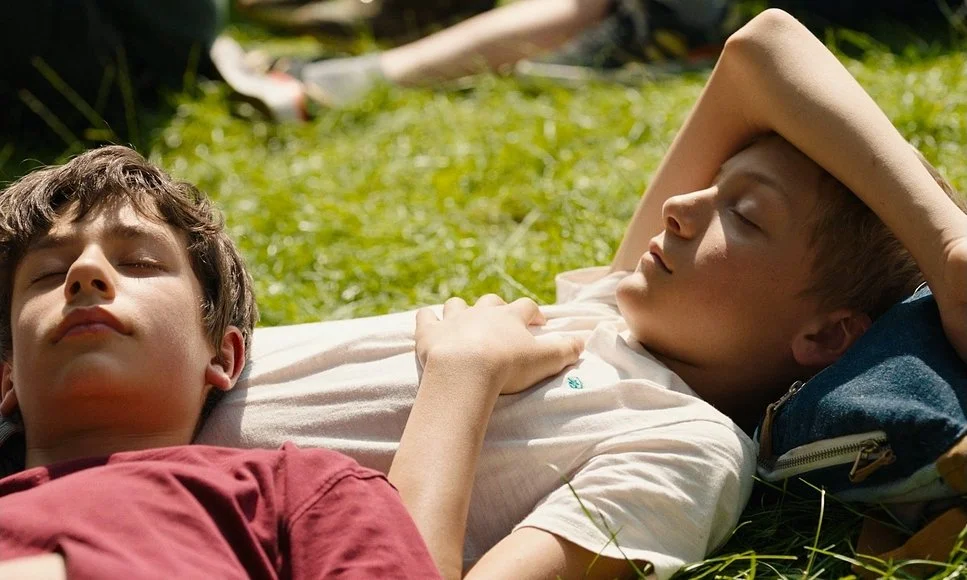
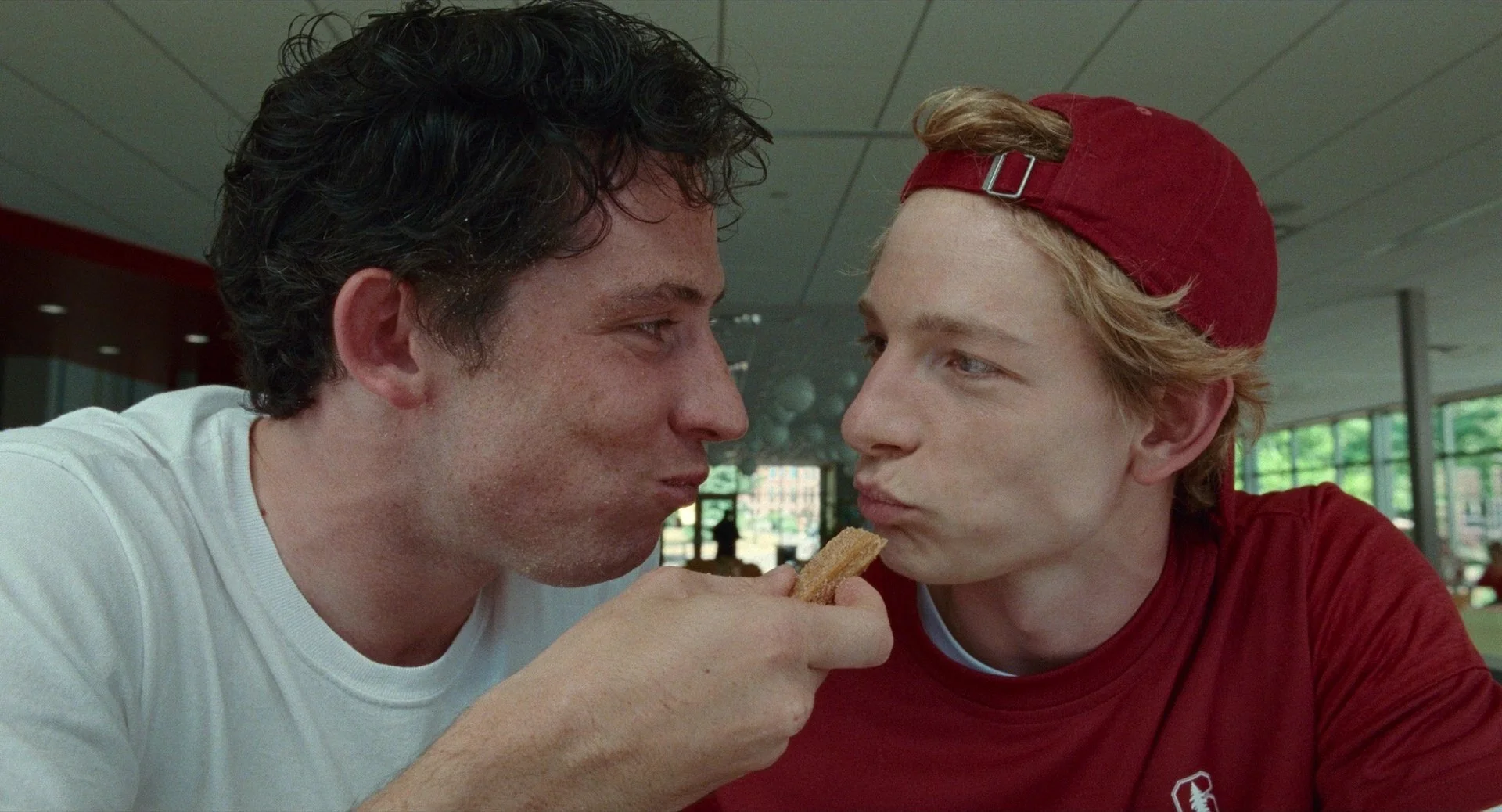
Boys in adolescence who are able to be open and vulnerable with each other are far too rarely explored on film. Tenderness, intimacy, and closeness are qualities male characters rarely get to show toward one another—and when they do, it is often interpreted as closeted homosexuality. I want to add nuance to this and fight for a different portrayal of friendship between young men.
I have been lucky to grow up with friends where openness and vulnerability was encouraged, and brought us closer. Showing this as something normal in a film about—and for—young people is important. Healthy role models for masculinity can be hard to find for young boys and men, perhaps especially today. Lies, status-chasing, toxic humor, substance use, and the absence of feelings gradually eat away at the closeness between Joachim and Kadir, as it does for many friendships the same age.
THE CHARACTERS
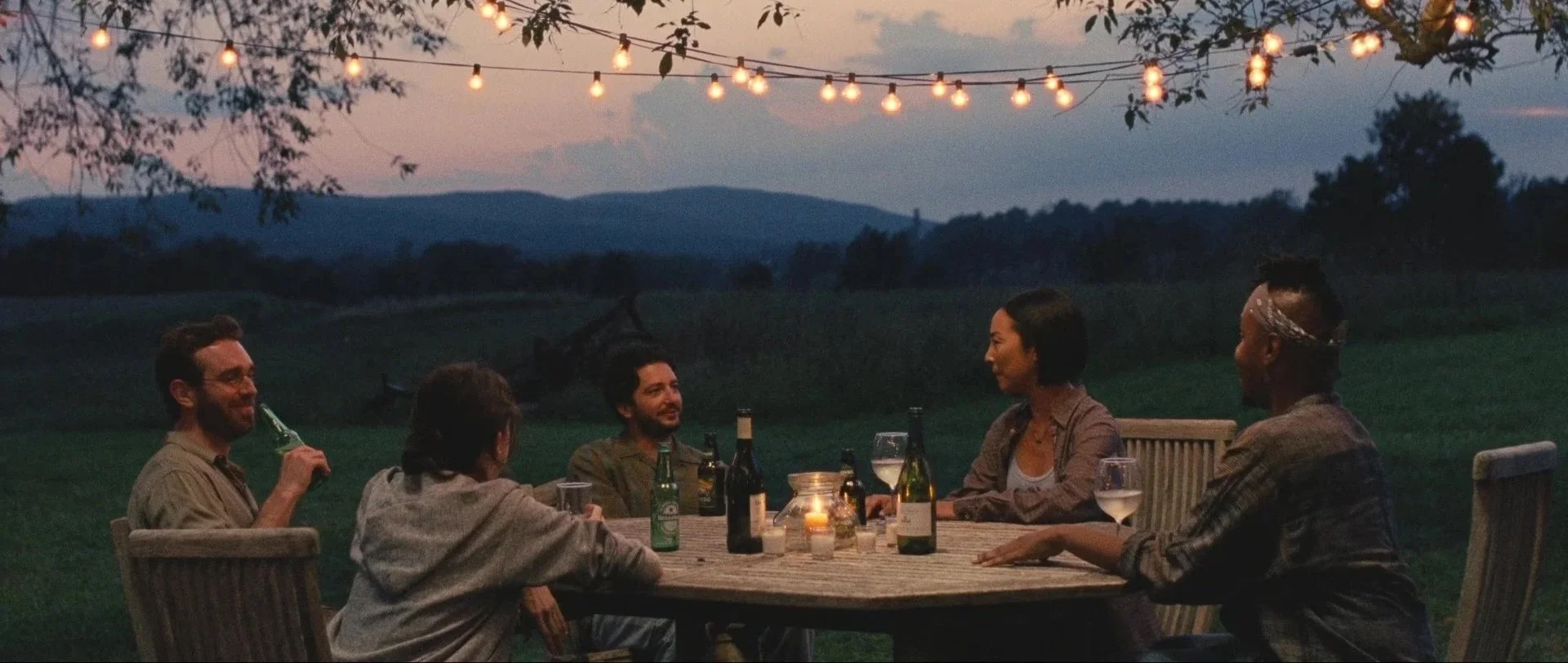
Even though Joachim is the only character who is a victim of Utøya, the film gradually reveals that almost everyone is struggling with their own traumas after the attack. Telling my story through a fictional character has given me the distance to be able to tell it with an honesty that otherwise would have been difficult—especially when I lay bare some of the worst moments of my life, both in what I experienced, and what I did.
Joachim before the attack, is extroverted, silly, unafraid of making a fool of himself, and full of feelings. He is emotional, cries easily, gets happy and excited quickly, and is a bit naïve, in many ways how I see myself at that age. He grows up on Nesodden, a peninsula outside of Oslo, with his father, Tor, his aunt who visit now and then. In the process of remembering back to this turbulent time, some things are clear and others are diffuse. It is my father I remember best as the safe parent, and since Joachim’s female therapist has such a central and at times maternal role, we have chosen to let him have only a father at home. For Joachim this is normal, the way its always been, him and his dad, and it gives him an incentive for deeper closeness with his aunt, and eventually with the therapist Erika.
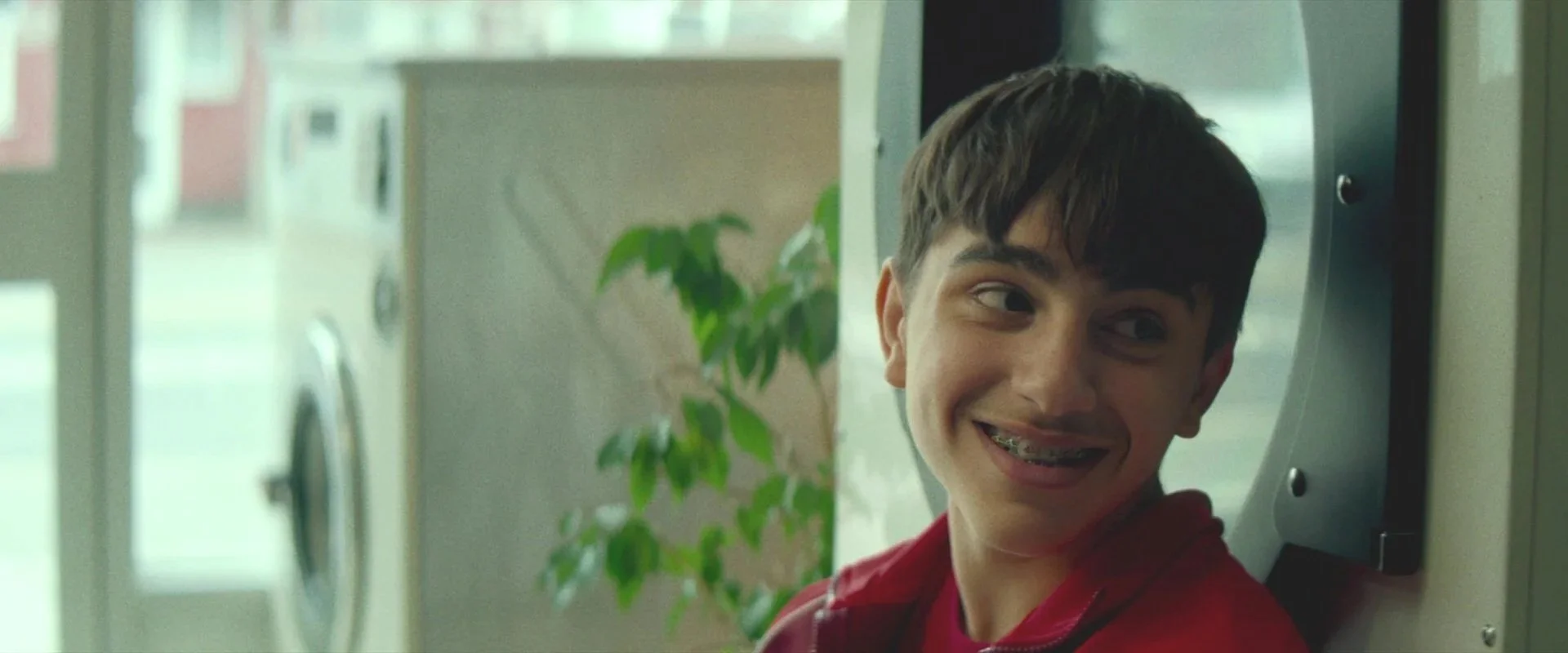
PTSD doesn’t manifest the way you expect. It makes Joachim emotionally unavailable, lashing out, difficult, and Kadir’s desire to be there for his friend is slowly replaced by frustration with an illness he doesn’t understand. Joachim doesn’t respond to Kadir’s attempts to be close and safe, but instead reacts by lying, pulling away, which in turn results in Kadir losing patience and becoming sarcastic and cruel in return. Kadir is also, in his own way, traumatized by July 22, but unlike Joachim, he is able to feel everything that has happened. Just as Joachim feels shame for not feeling what he “should,” Kadir experiences that, alongside his friend who was actually on the island, he is not entitled to feel everything he feels.
Sara is the anarchist bohemian, who becomes friends with Joachim and Kadir because of their shared nerdy interests. In the trio she represents the cool, slightly older rebel; someone who dares not to give a fuck. In many ways she can feel like a trope in coming-of-age stories about the transition into young adulthood. But Sara, with her cynicism (performative or not), becomes Joachim’s excuse to try to live normally in high school. With her, they can pretend nothing is different. Sara’s general attitude (yes, Utøya was fucked up, but life has always been fucked up) means that Joachim, and to some extent Kadir, get a period at the start of high school that lets them forget, and pretend everything is as before. But none of them are as before—least of all Joachim—and slowly the bubble bursts, for Sara too, who is a lesbian, and grew up without a father, with an unstable mother. Sara’s attitude toward the world is also a shield to protect herself. In this way she mirrors something in Joachim’s story, while also representing difficulties that have always been there. Joachim’s experience of wanting to get better, and Sara’s experience that things feel like they never will, ends in confrontation.
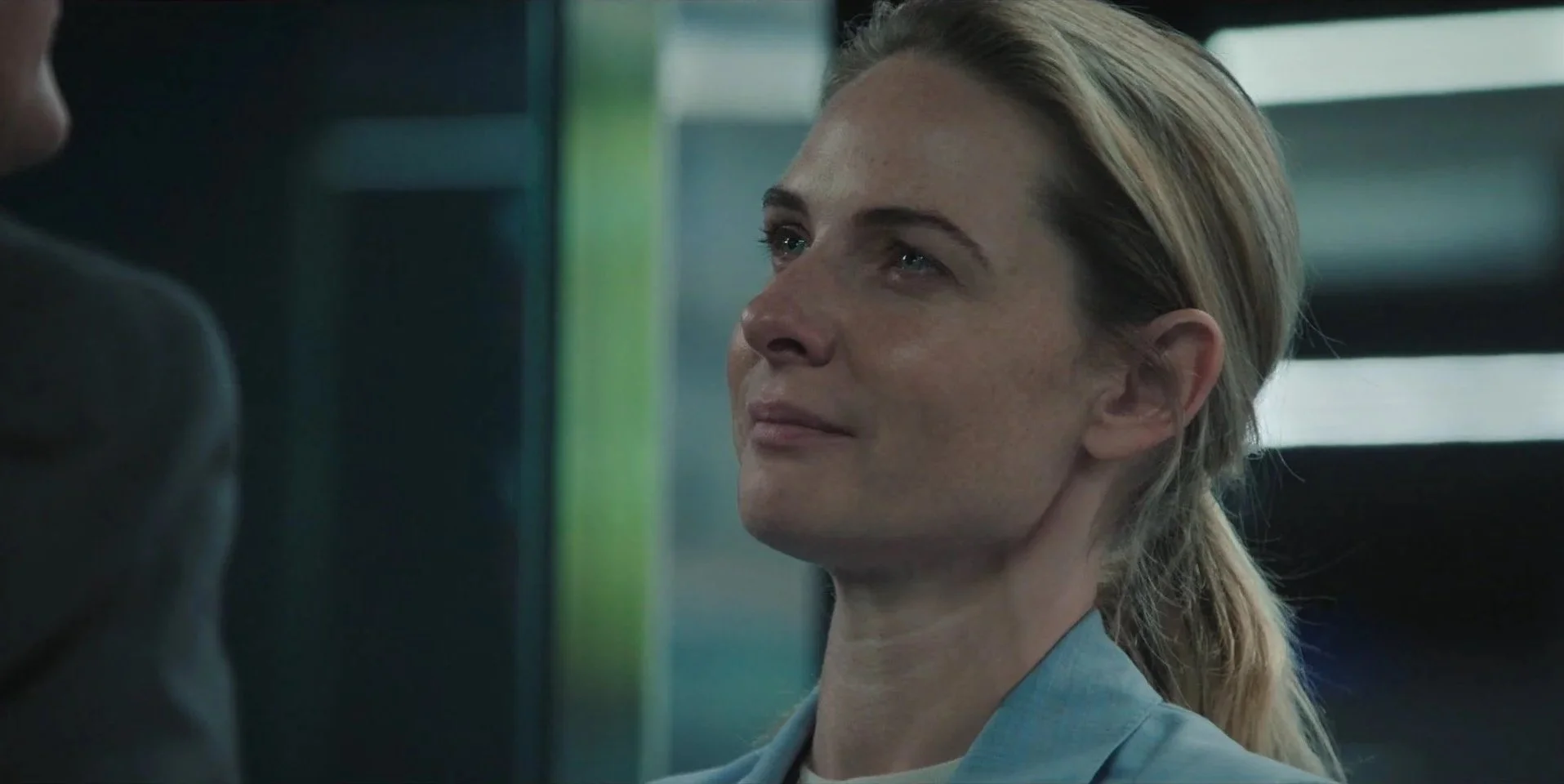
Tor, Joachim’s father, is warm, silly, practical, and steady. He works as an art curator, and tries to be Joachim’s safe harbor back home. He has been a single dad since his wife died when Joachim was three, something that has clearly marked him. In the aftermath of the attack, Tor tries to be understanding, to give Joachim space and safety, but over time it becomes harder for him to distinguish between what is Joachim’s trauma and what is simply an unmotivated, rebellious teenager. But Tor also carries his own trauma after July 22: he almost lost his son—the only one he has left.
Vilde represents a different kind of intimacy than what Joachim has with Kadir. Getting a girlfriend has been Joachim’s biggest dream, as it is for many sixteen-year-olds. But when he finally gets his wish fulfilled, he is no longer able to handle the closeness he has longed for. Allowing himself to fall in love requires that he open himself up to his own feelings, something his trauma does not allow. He cannot enter that space, and so his love for her becomes superficial. Vilde, who is everything Joachim has dreamed of—beautiful, cool, intelligent—sees through his mask, tries to reach him, but as Kadir experiences, Joachim’s trauma is something none of them understand how to break through.
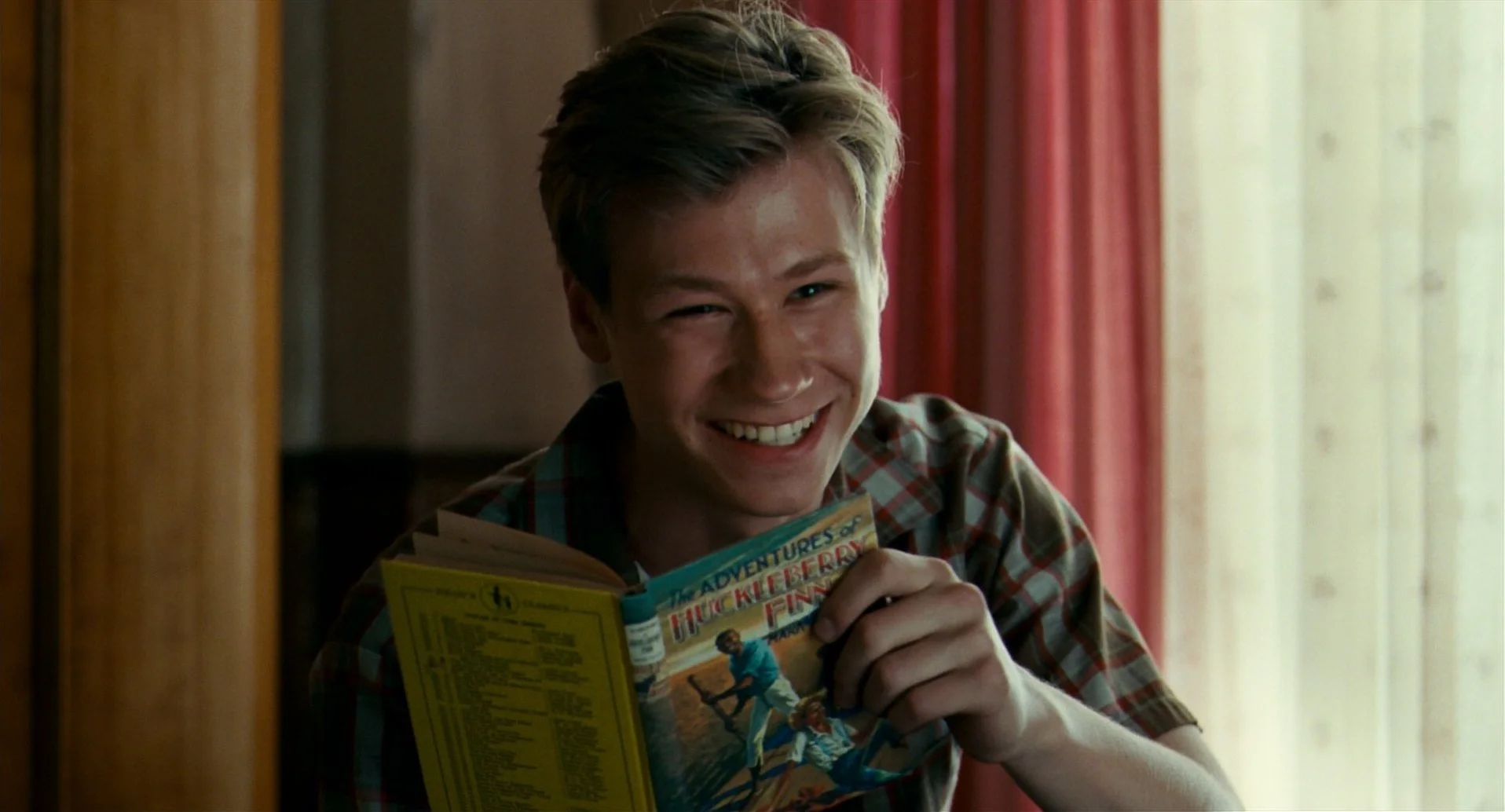
Kadir, Joachim’s best friend, is a sharp, sarcastic know-it-all with a heart of gold. Kadir has survived three years of bullying in middle school, and during this period he had suicidal thoughts. Joachim is the only person he has confided in, and he has been Kadir’s support system up until where our film begins. This period is the foundation for their openness and vulnerability to each other, which makes their friendship strong and honest. But when it is Joachim who needs help, a shift happens. In the first period after the massacre on Utøya, Kadir is wholeheartedly determined to support his friend in the way he himself was supported. But Joachim’s PTSD is not something Kadir, or anyone else, has the competence to understand or help him with—except for the therapist Erika.
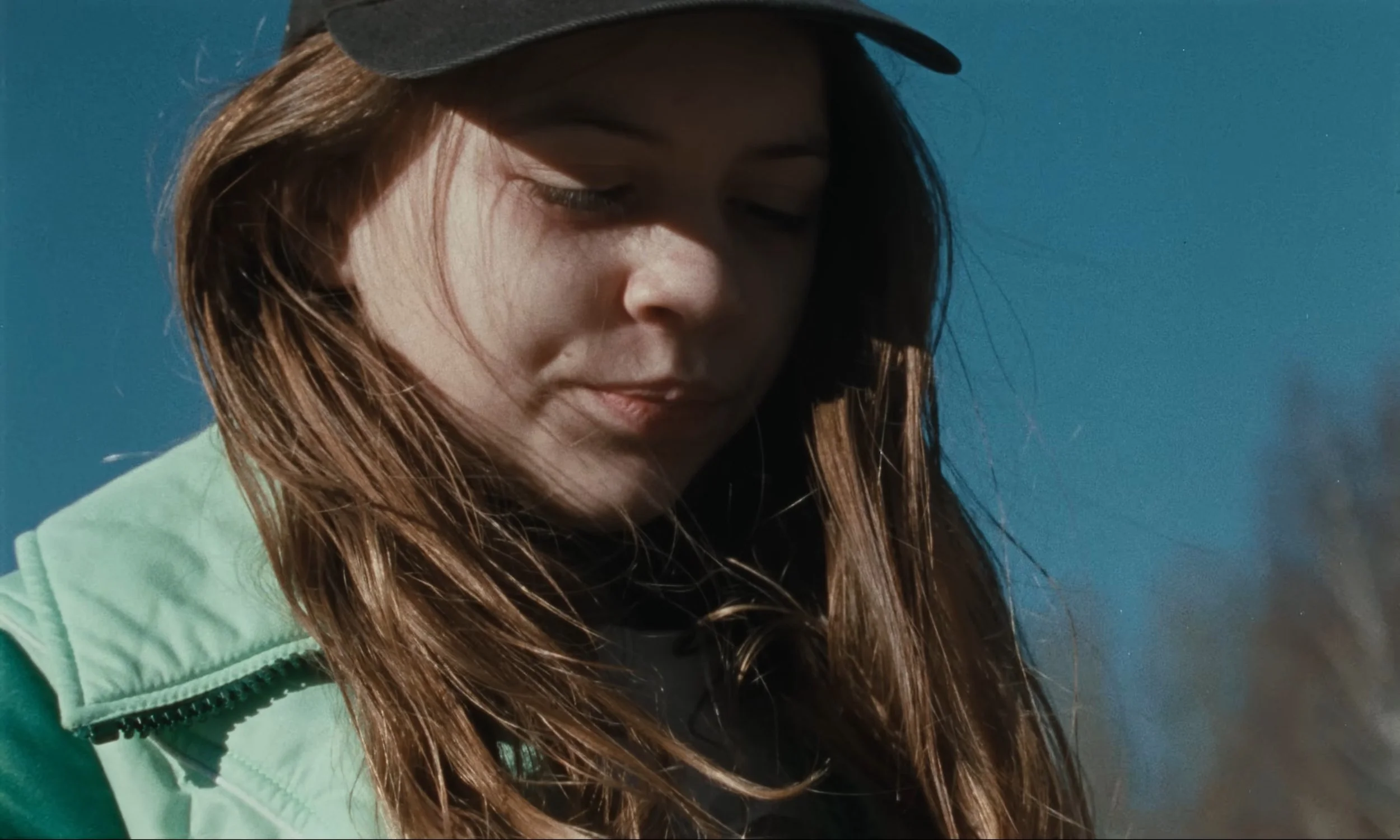
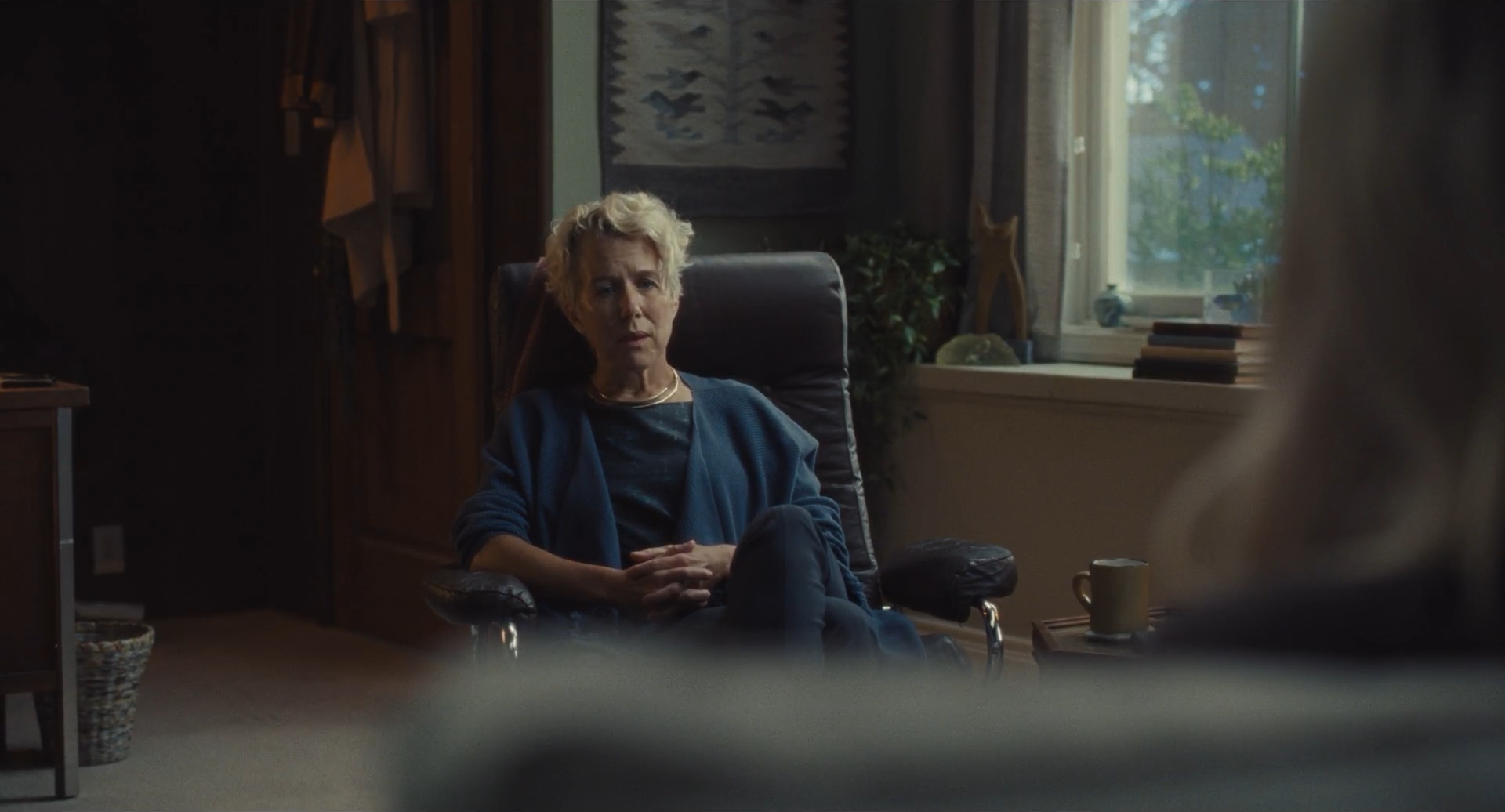
Erika is Joachim’s psychologist. She is sharp, observant, and has a dry, sarcastic humor that Joachim quickly feels safe with (perhaps because it reminds him of his best friend). Erika’s course of treatment with Joachim starts off well, but she is struggling with her own issues. She worked as a field therapist in Afghanistan, where she herself developed PTSD. When she meets Joachim, she is relatively well, but her last fifteen years represent a kind of hypothesis of what could happen to Joachim if he does not actively work to get better. She has had problems with intimacy in relationships, has lost her partner, and ended up childless in her forties. Over the course of the film, she is in the middle of the process of adopting a child, but is plagued by doubt about whether she is actually healthy enough to be a mother. At the same time, the events of July 22 have affected her too; while she is in a vulnerable place with her own resurfacing traumas, she has to treat Joachim. In Joachim she sees both a version of her former self, but also a child she is responsible for helping. Normally working exclusively with veterans, July 22nd creates extraordinary circumstances she must accept. Erika’s uncertainty about her abilities as a mother, and her own experiences, slowly follow her into the therapy room—for better and for worse.
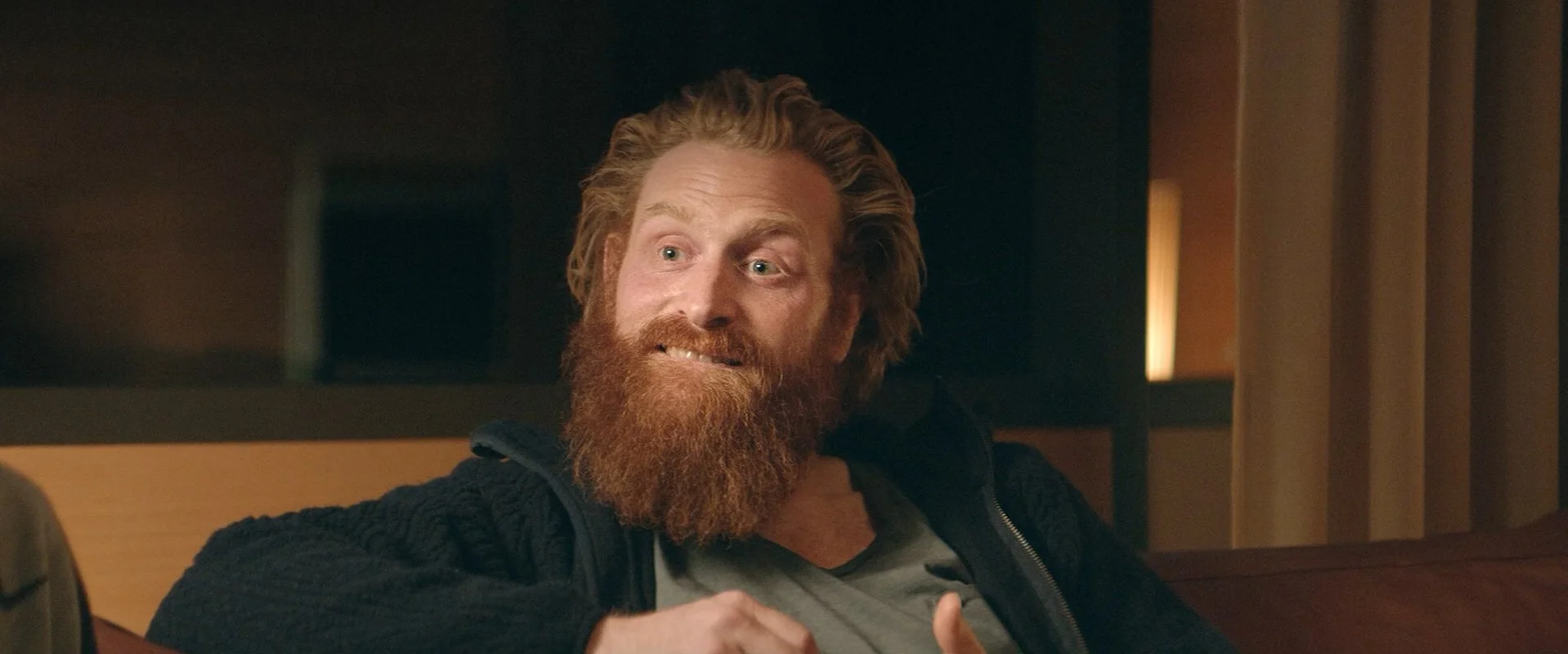
Around Joachim is an ensemble of teenagers and adults who all carry their own grief, confusion, or unease after July 22. Paradoxically, Joachim is the only one who doesn’t feel anything—and it is precisely that contrast that makes jokes, lies, and a lack of empathy have real consequences. He doesn’t just become someone struggles, but someone who, without meaning to, can hurt everyone around him who actually feel.

TONALITY
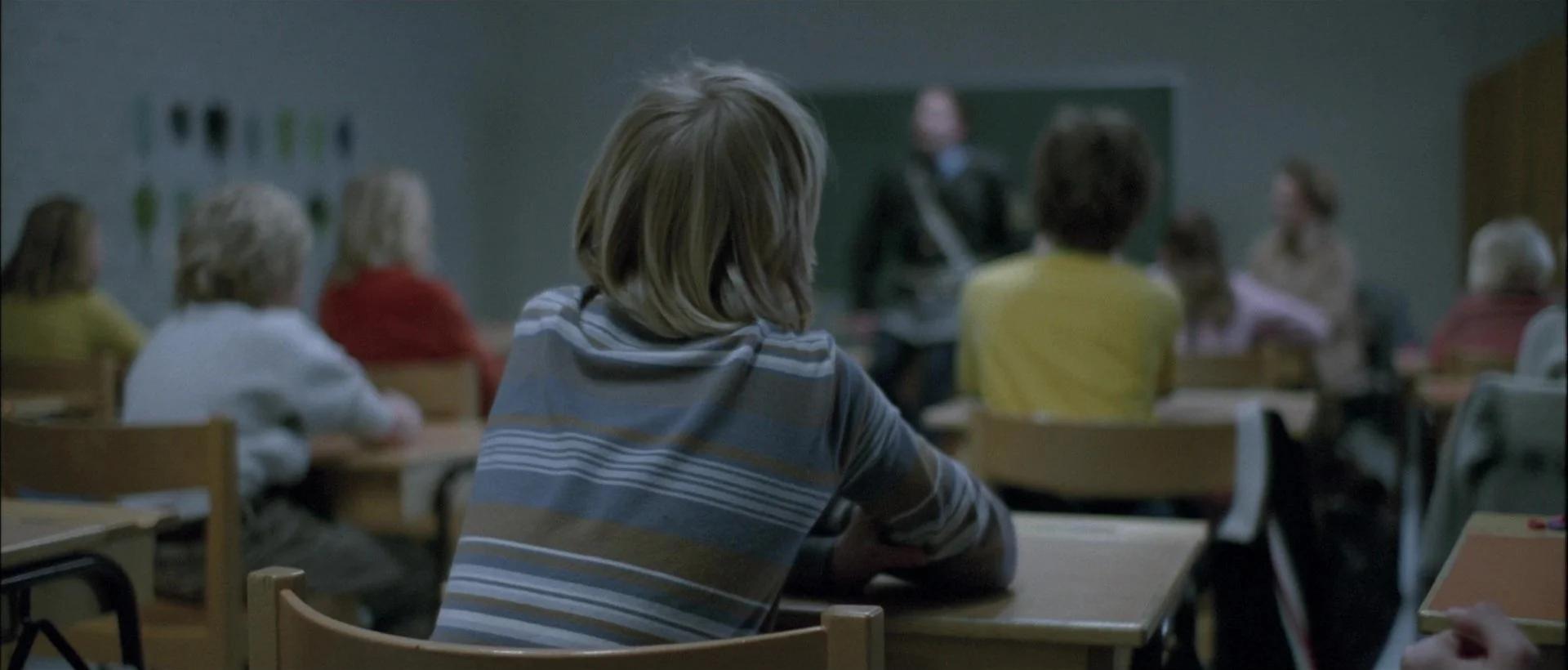
The project draws inspiration from both modern Nordic and Asian film—especially the way Korean film and Japanese animation balance theatrical humor, realistic drama, intense sequences, and strong symbolic devices.
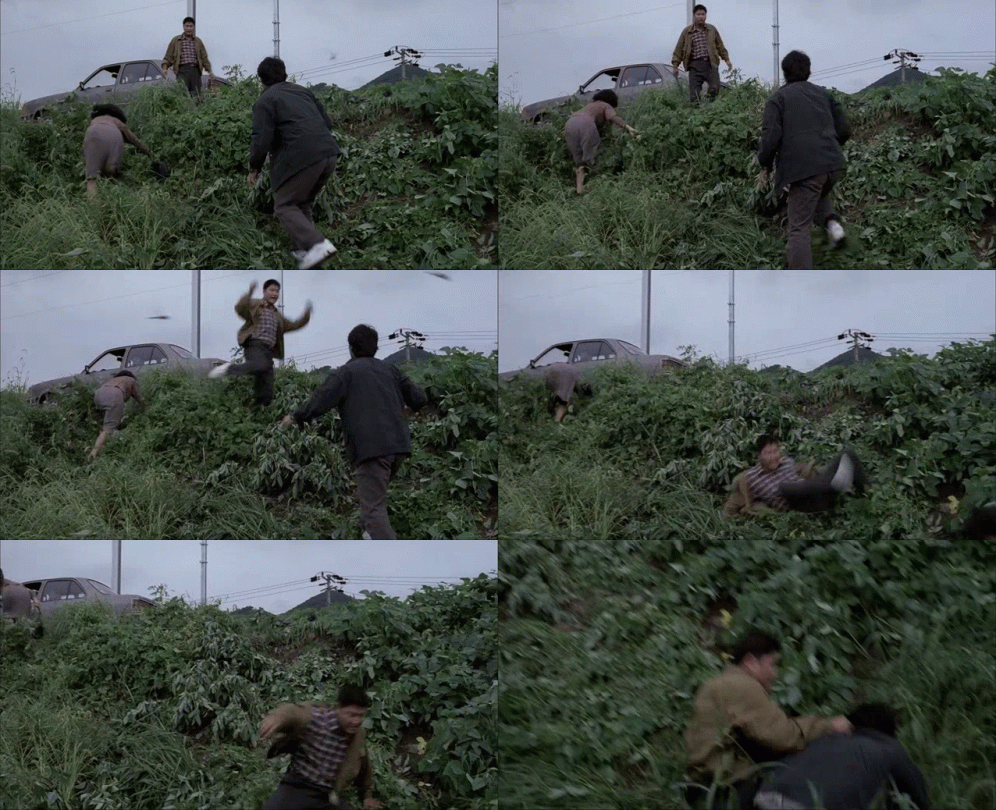
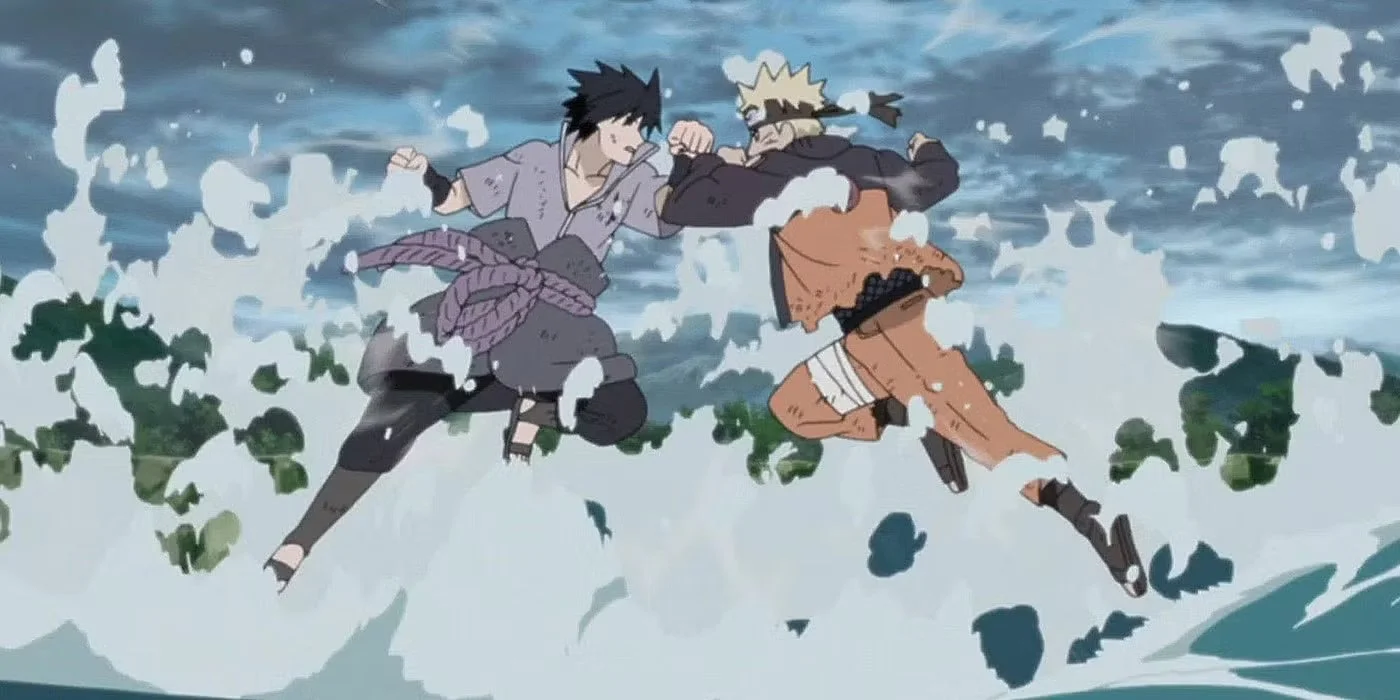
Memories of Murder (Bong Joon-ho) is a good example: some characters are almost exclusively “over-the-top” and comedic, while the film’s themes are still portrayed true to life. A character who consistently “drop-kicks” others doesn’t feel disruptive, in the same way that Kadir and Sara kick Joachim on the shin, or do the “gefühl” gesture. Japanese anime, like Naruto, is also known for this relationship between the comedic and the serious.
Examples of this over-the-top theatricality in The Deep are: Joachim’s first overly sympathetic psychologist (Nicknamed “Pink Helicopter”), Sebastian, a boy in high school who exclusively quotes anime or film, Baroque-Ruben, who plays the recorder during recess in full Baroque clothing—all based on real people.
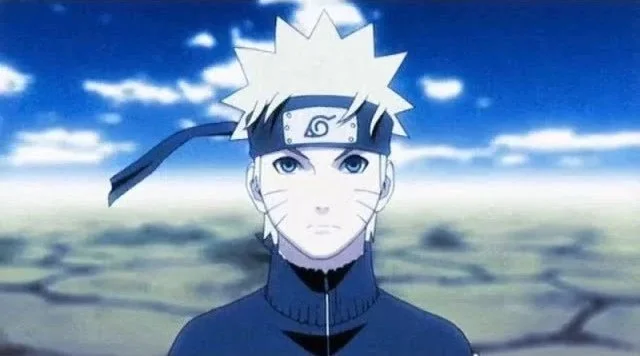
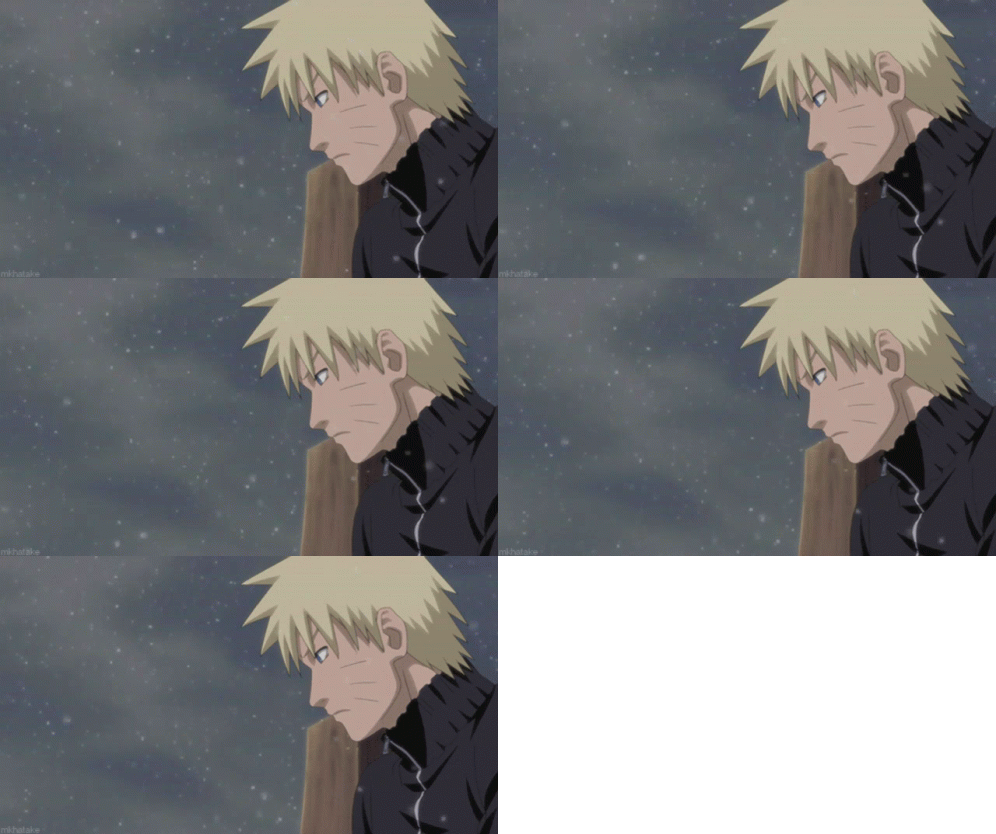
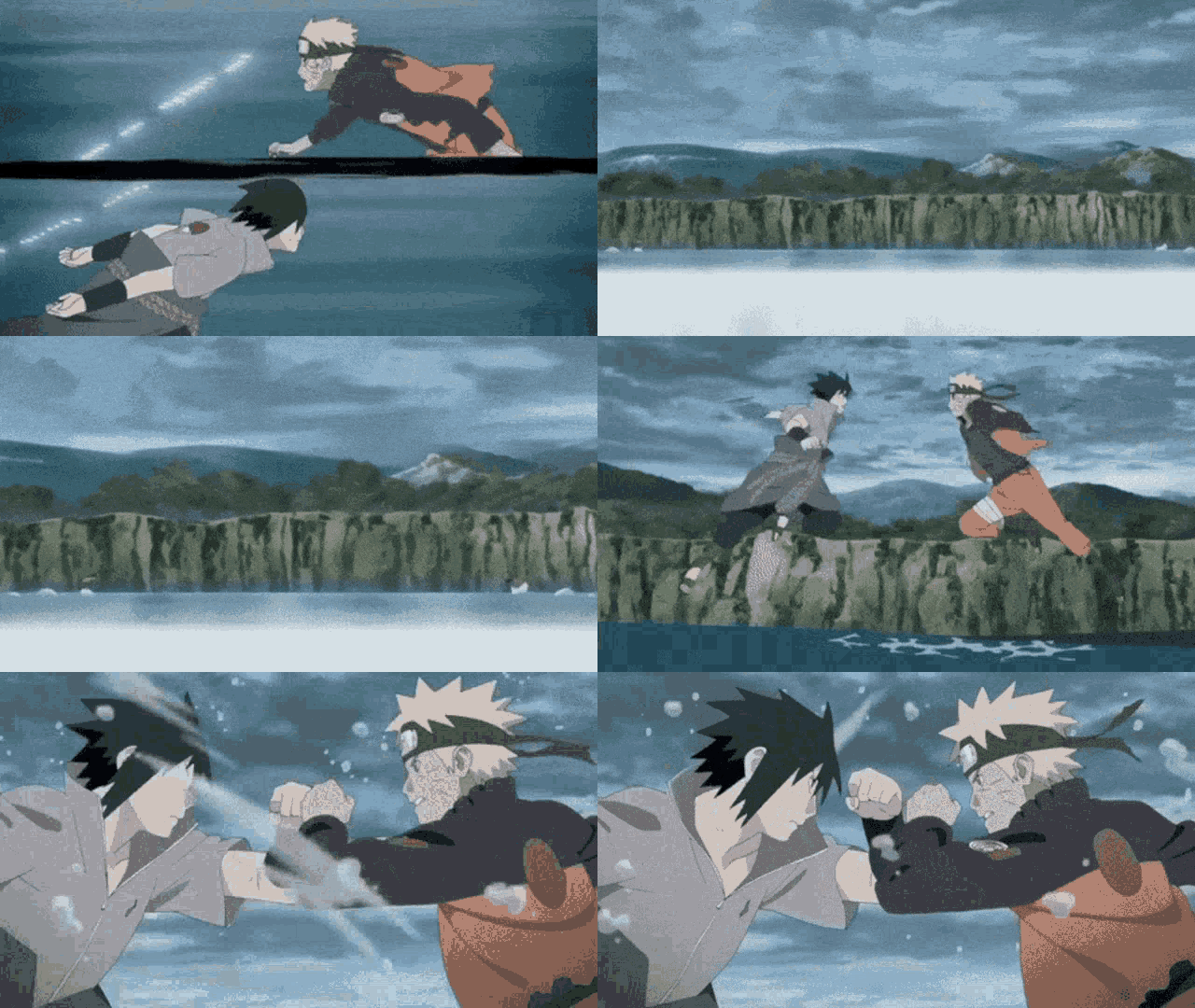
Joachim and Kadir’s super tacky, homemade anime intro is also an expression of this. For a reference to anime opening aesthetics, see the Naruto intro with the song I hope to use:
Nevertheless, the bulk of the film’s focus is on realism. Joachim’s first scene on Utøya, the discussion between him and Kadir about cosplay costumes, the therapy sessions with Erika, or Tor’s story about eating at Burger King on July 22, are some of many examples of this.
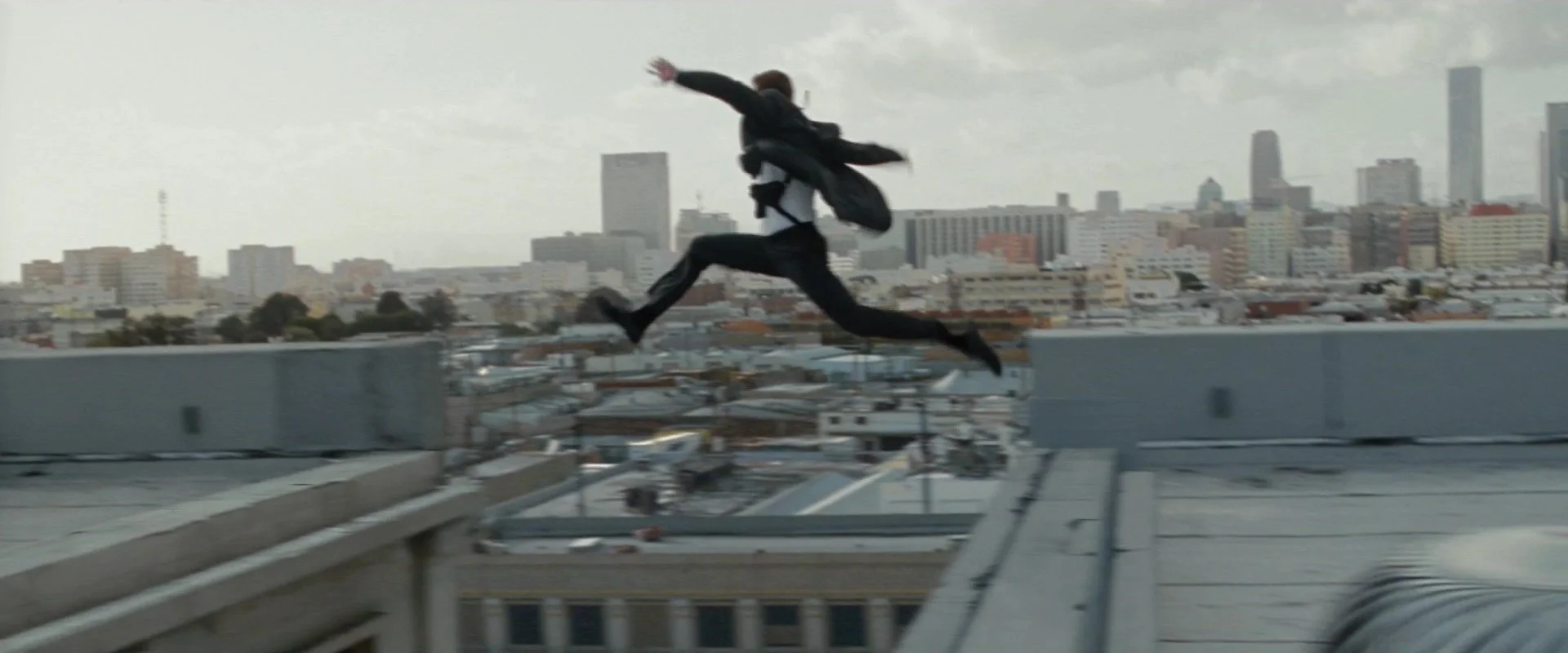
In addition, the film also has some more intense sequences, not typical for Norwegian drama films in recent years. Examples of this are Joachim riding the back of the subway, almost getting hit by the oncoming train, or jumping across rooftops while fleeing from the police.
And on the symbolically expressive side we have the midpoint—the moment when the classroom fills with water, Joachim’s animated Utøya lies, the front door that opens onto the fjord at Utøya, and the world that suddenly snaps into focus when he becomes triggered.
The tone I’m looking for will branch off from the known Nordic aesthetic into something original. I have no reservations about balancing the humorous, the realistic, and the visually expressive. The result is an innovative, raw, and gripping film, that speaks to the depth of themes in a way that only I can direct.
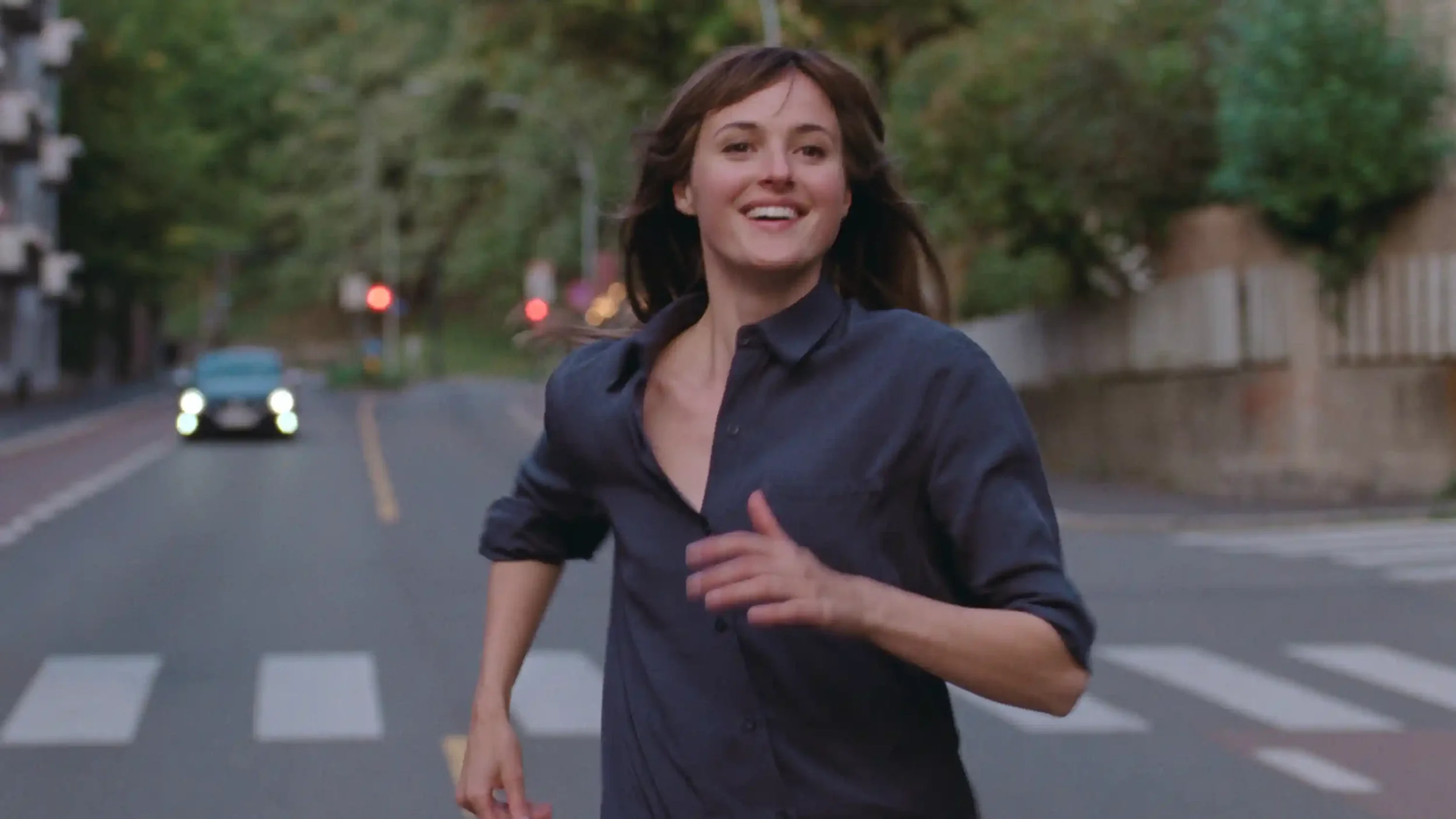
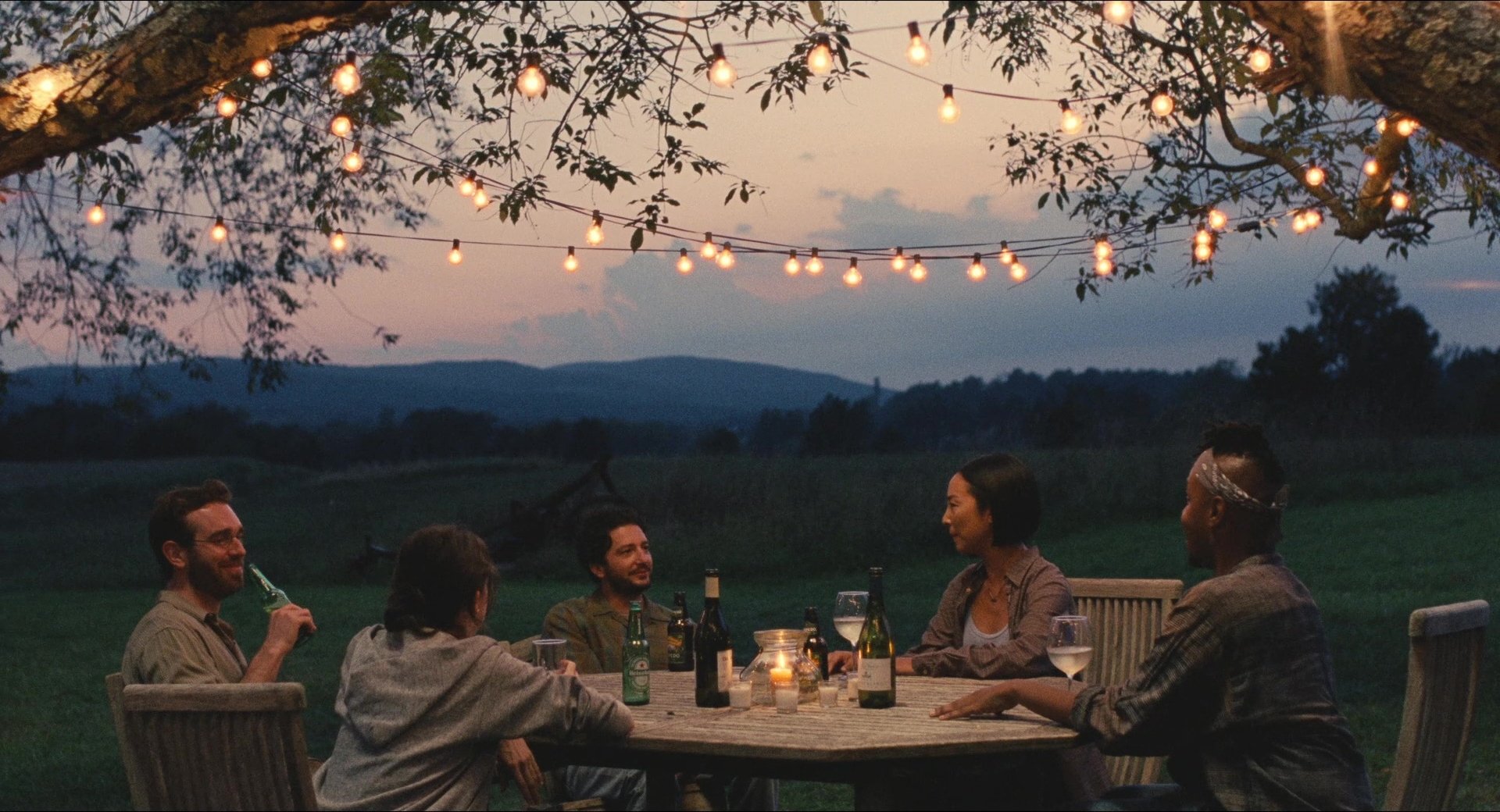
A lot of newer Nordic film, like Another Round or The Worst Person in the World, also has some of this relationship, but usually more toned down—perhaps more “tasteful.” For me, having grown up with anime and Asian film culture, it feels natural to lean more toward the expressive and exaggerated, in a positive sense.
This—having deep roots in Asian film, combined with my connection to contemporary Norwegian film—is part of what makes up my own voice and identity as a filmmaker. I have lived in Japan, speak fluent Japanese, and at the same time I’m inspired by all the great things happening in Norwegian film right now.




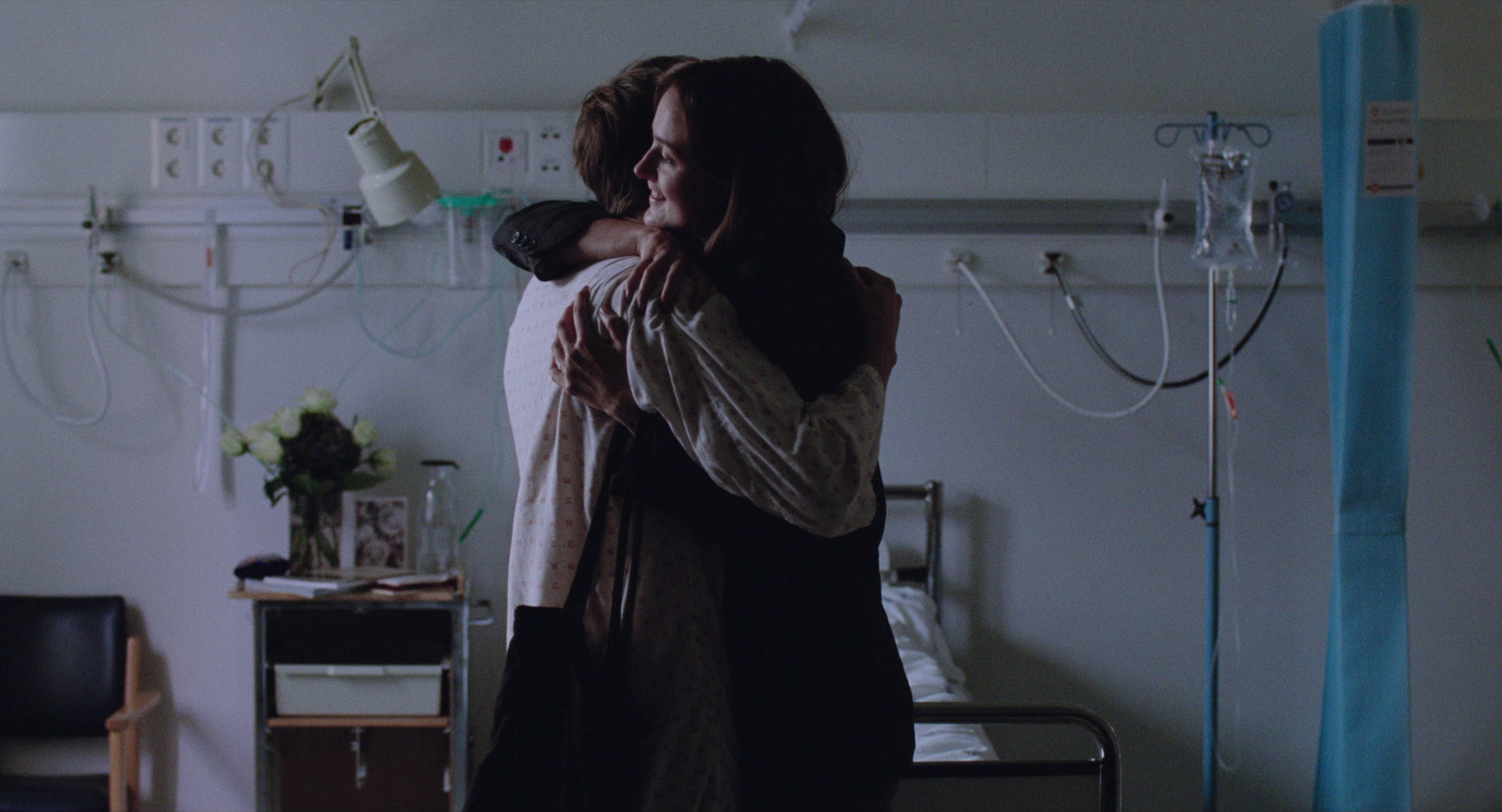
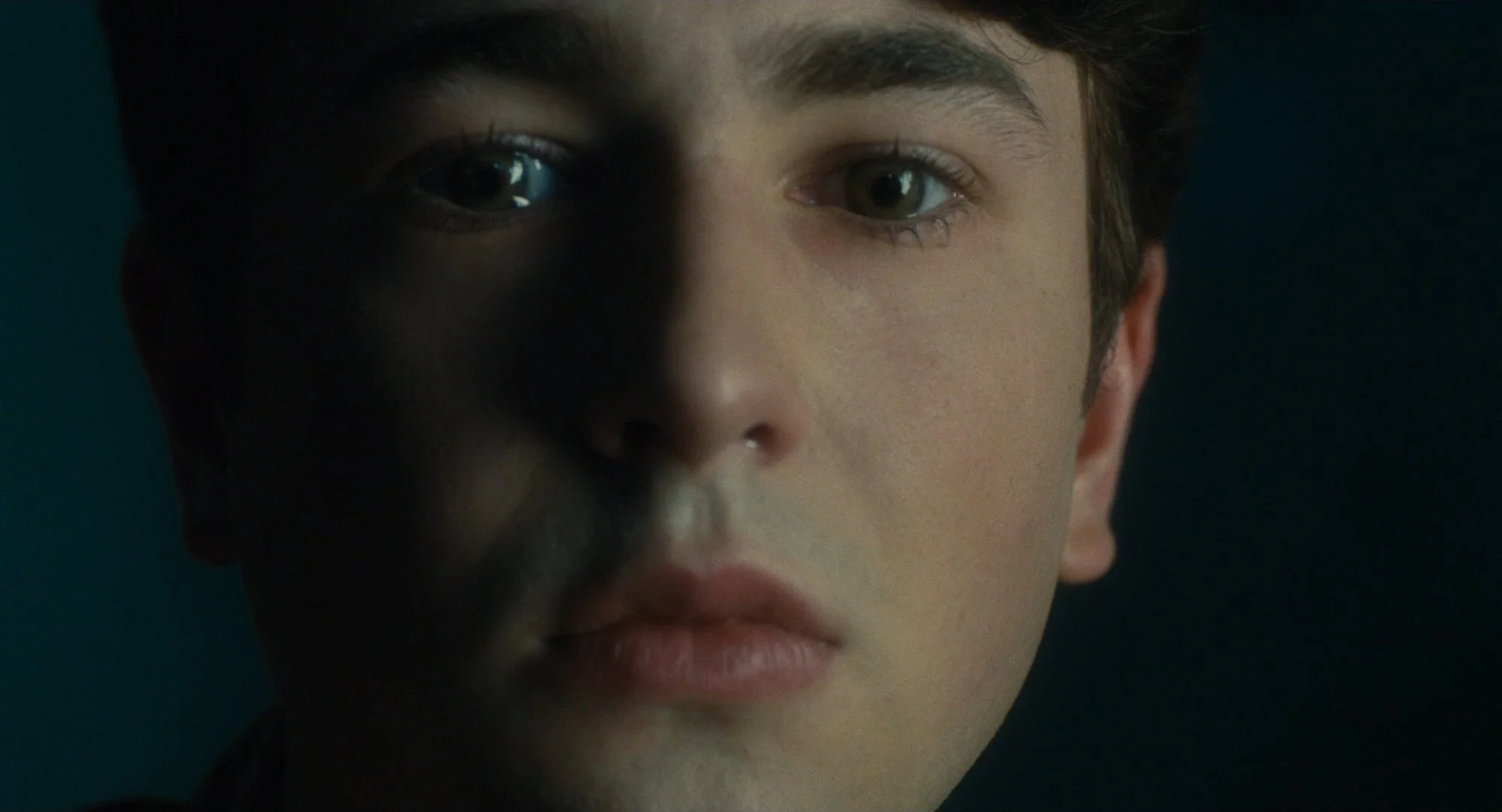
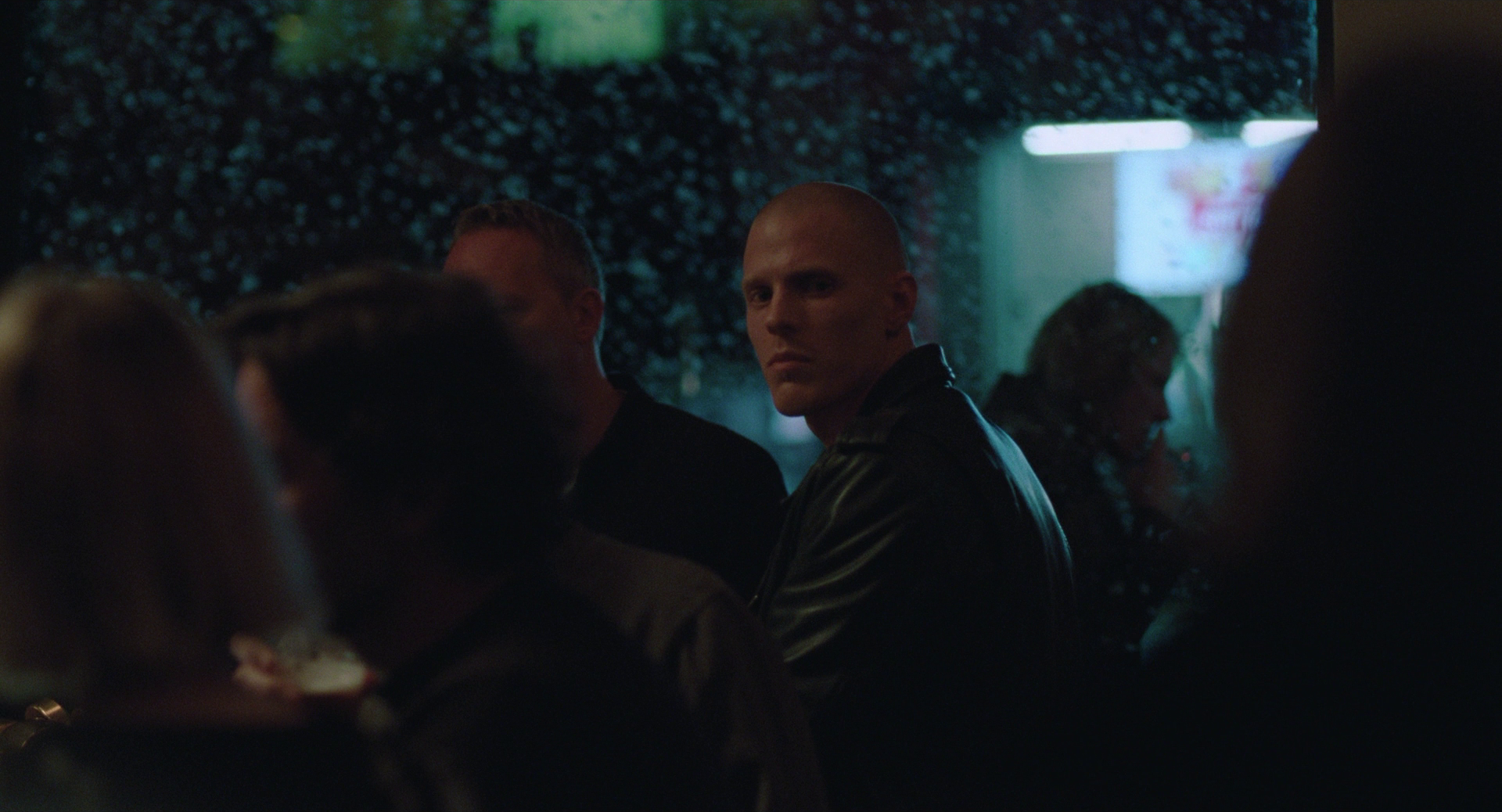

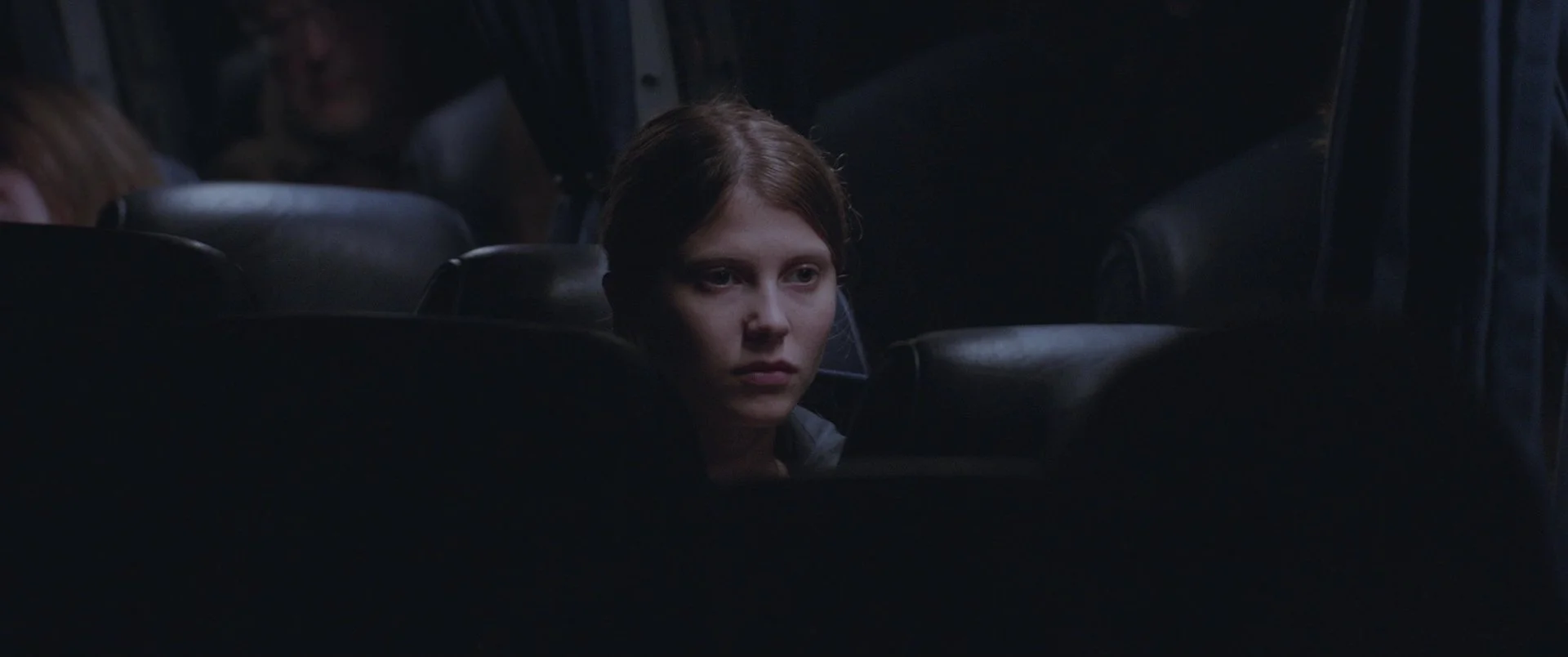


VISUAL VOCABULARY
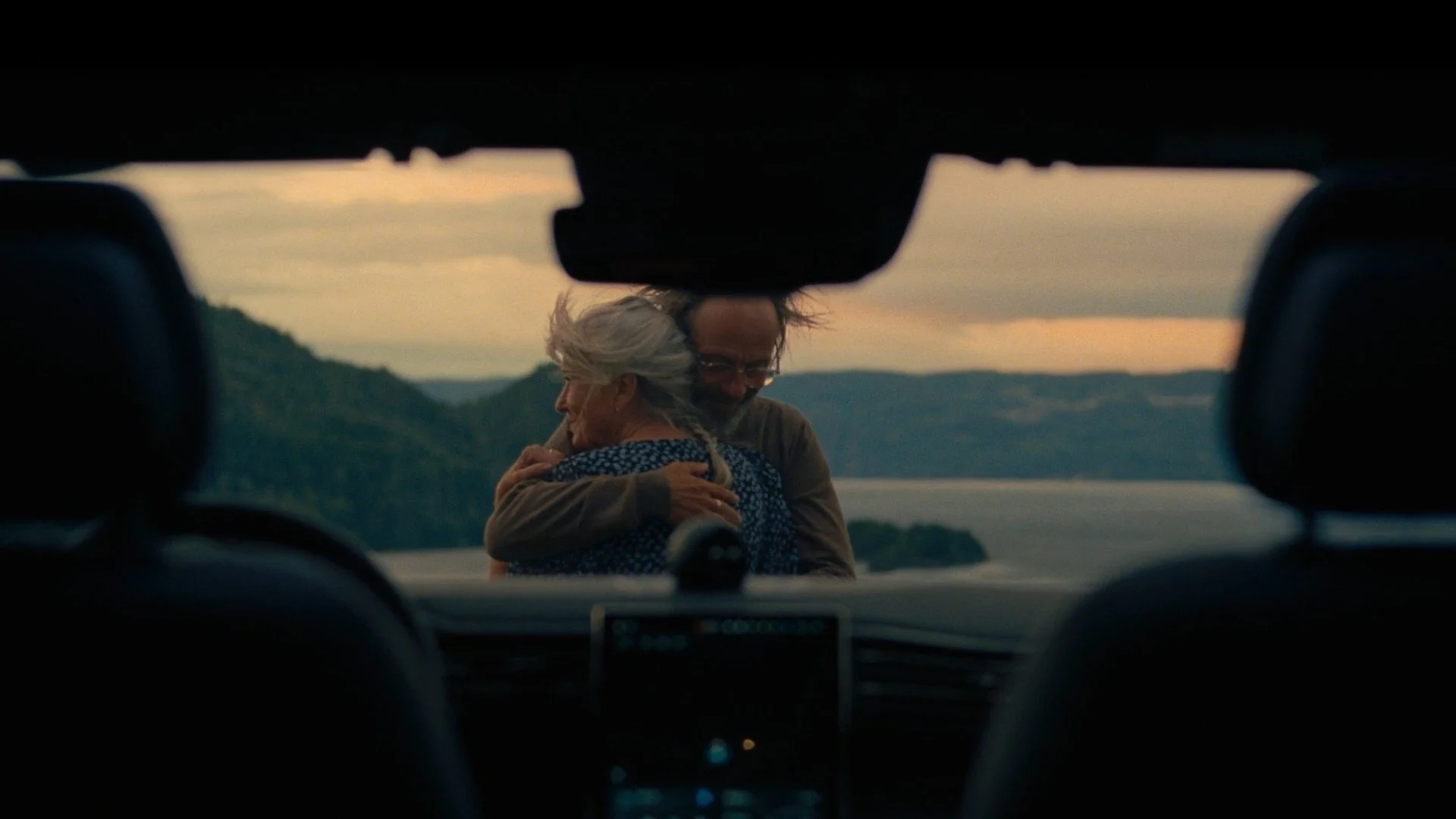
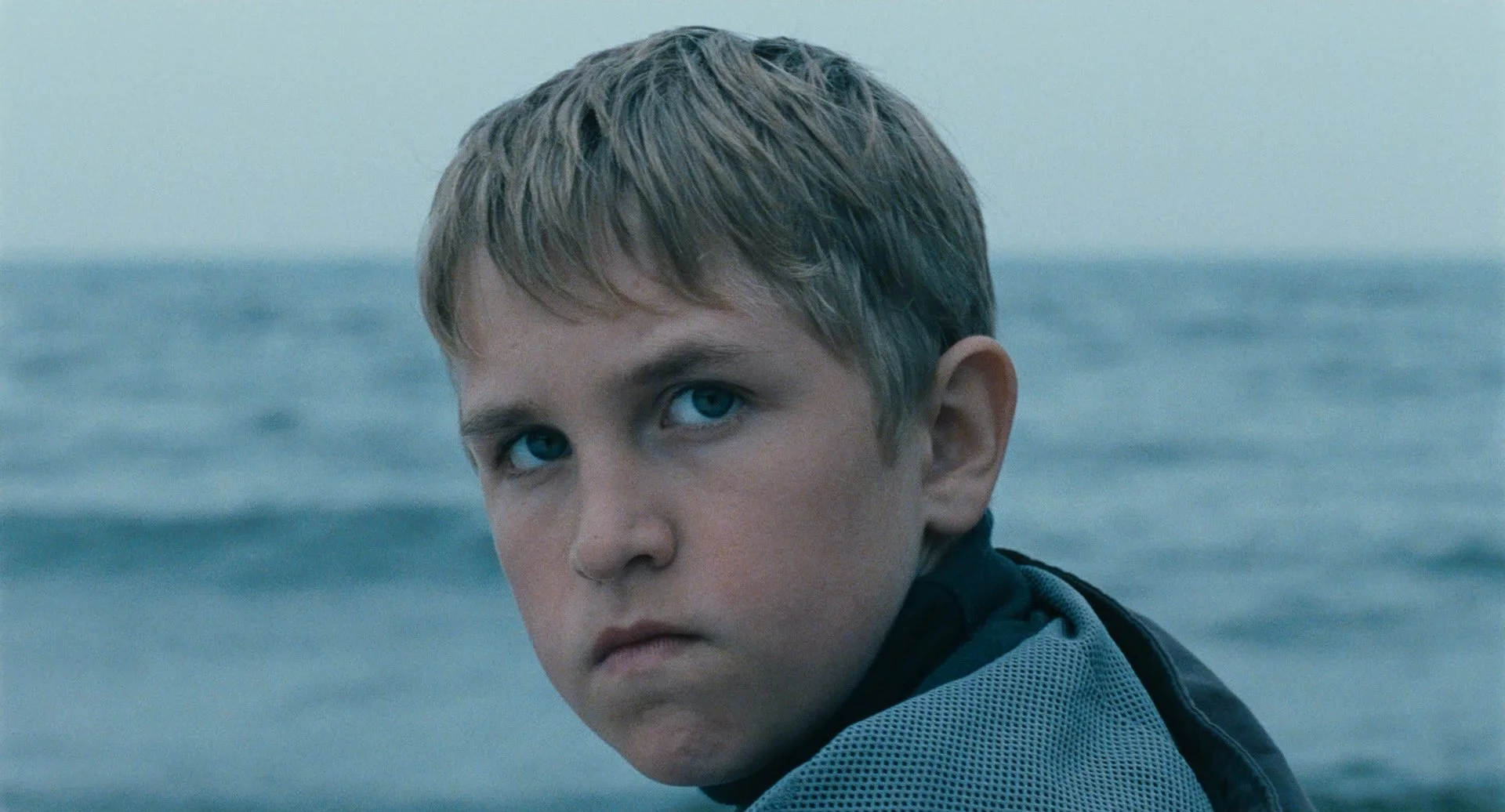
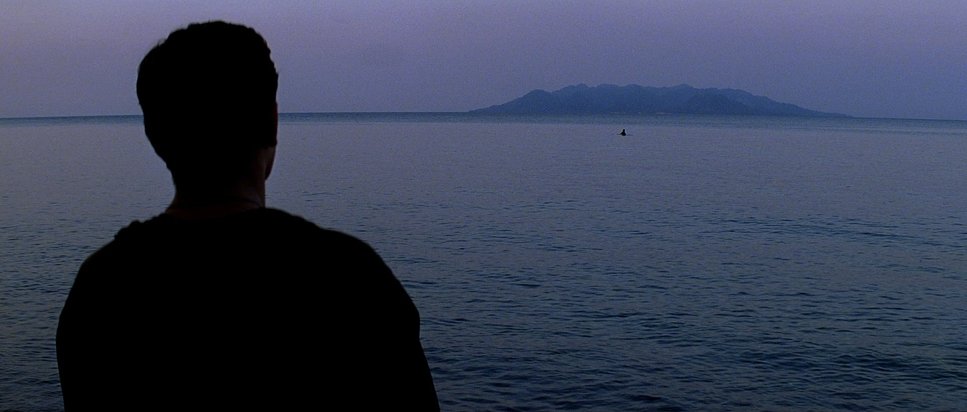
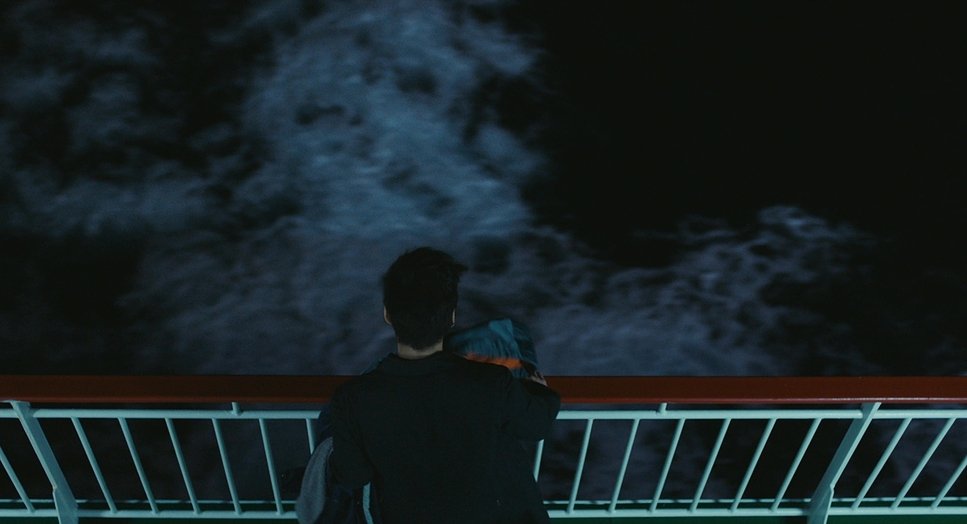
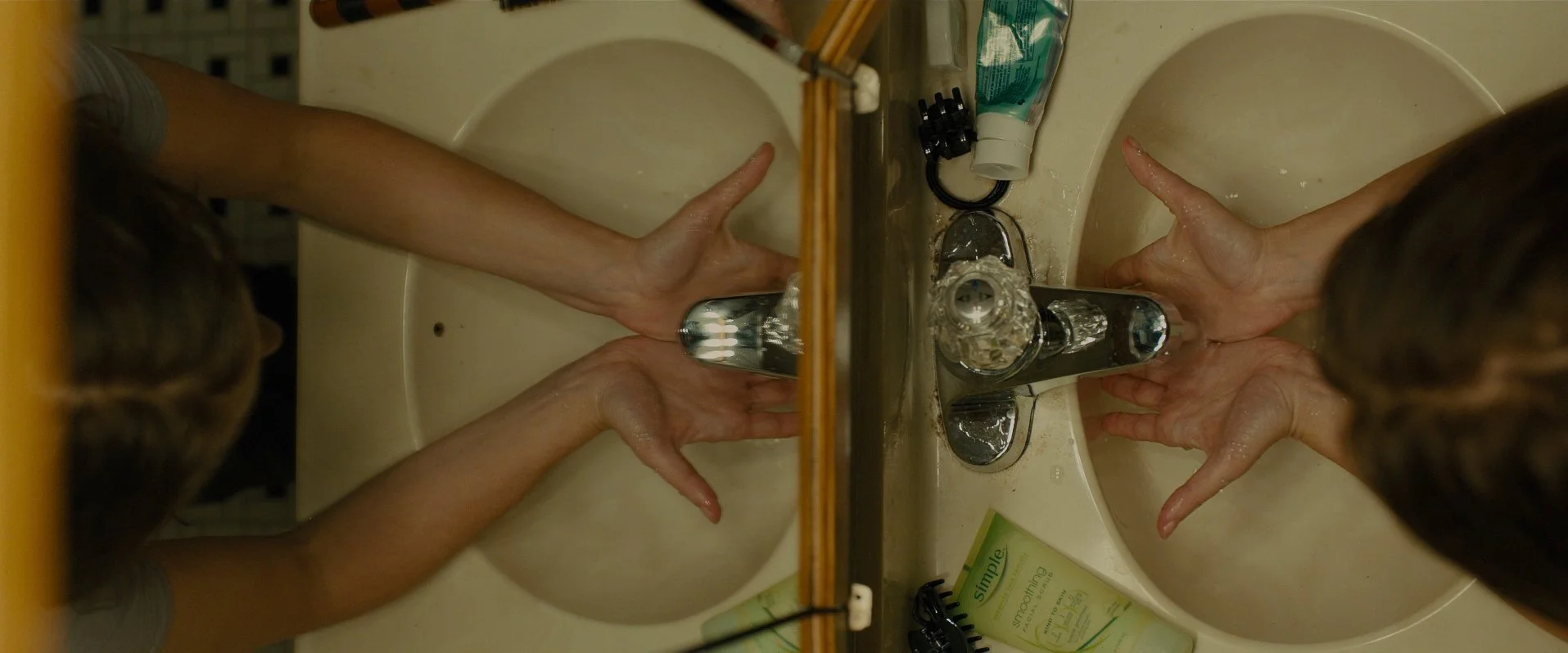
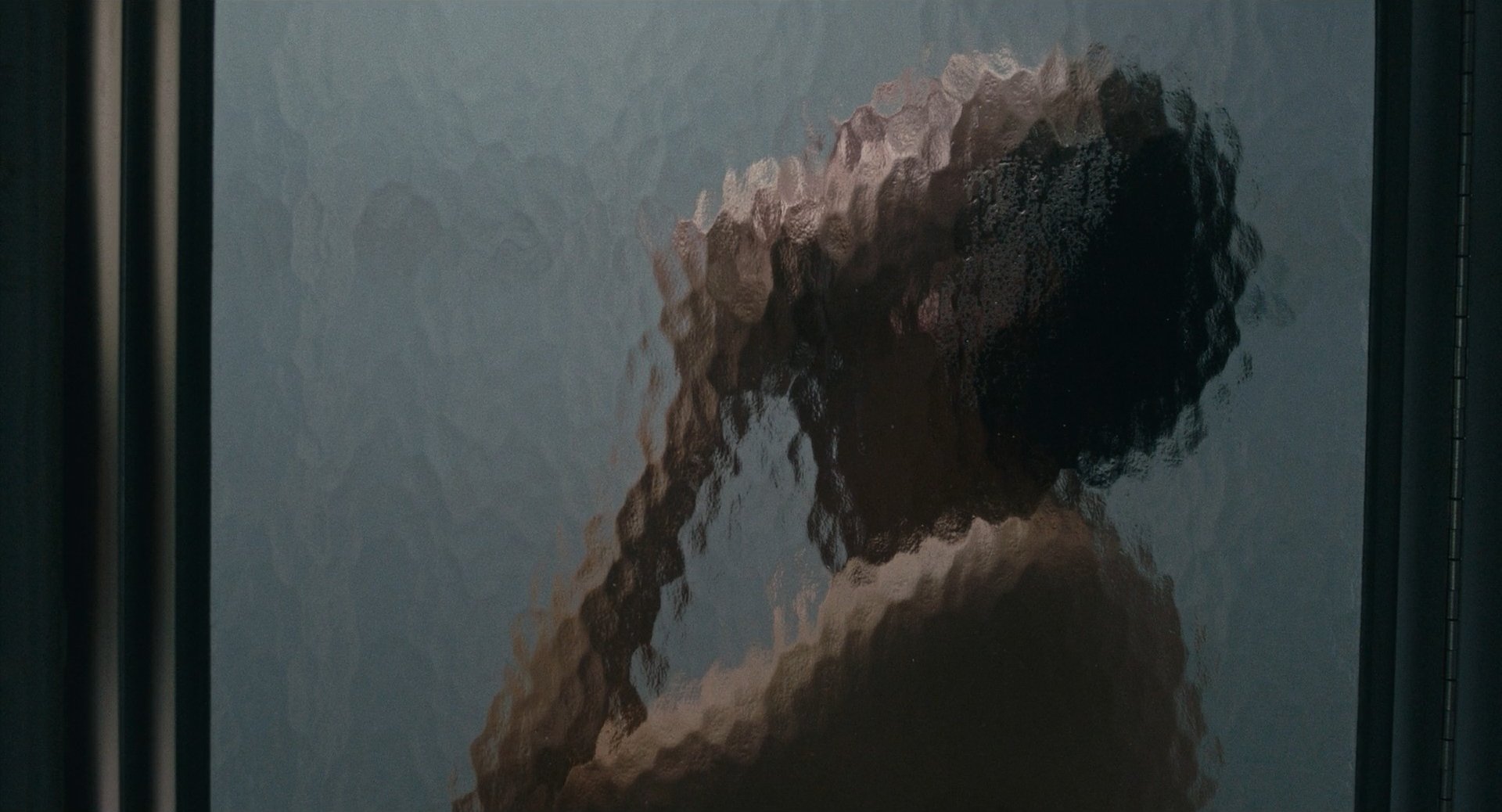
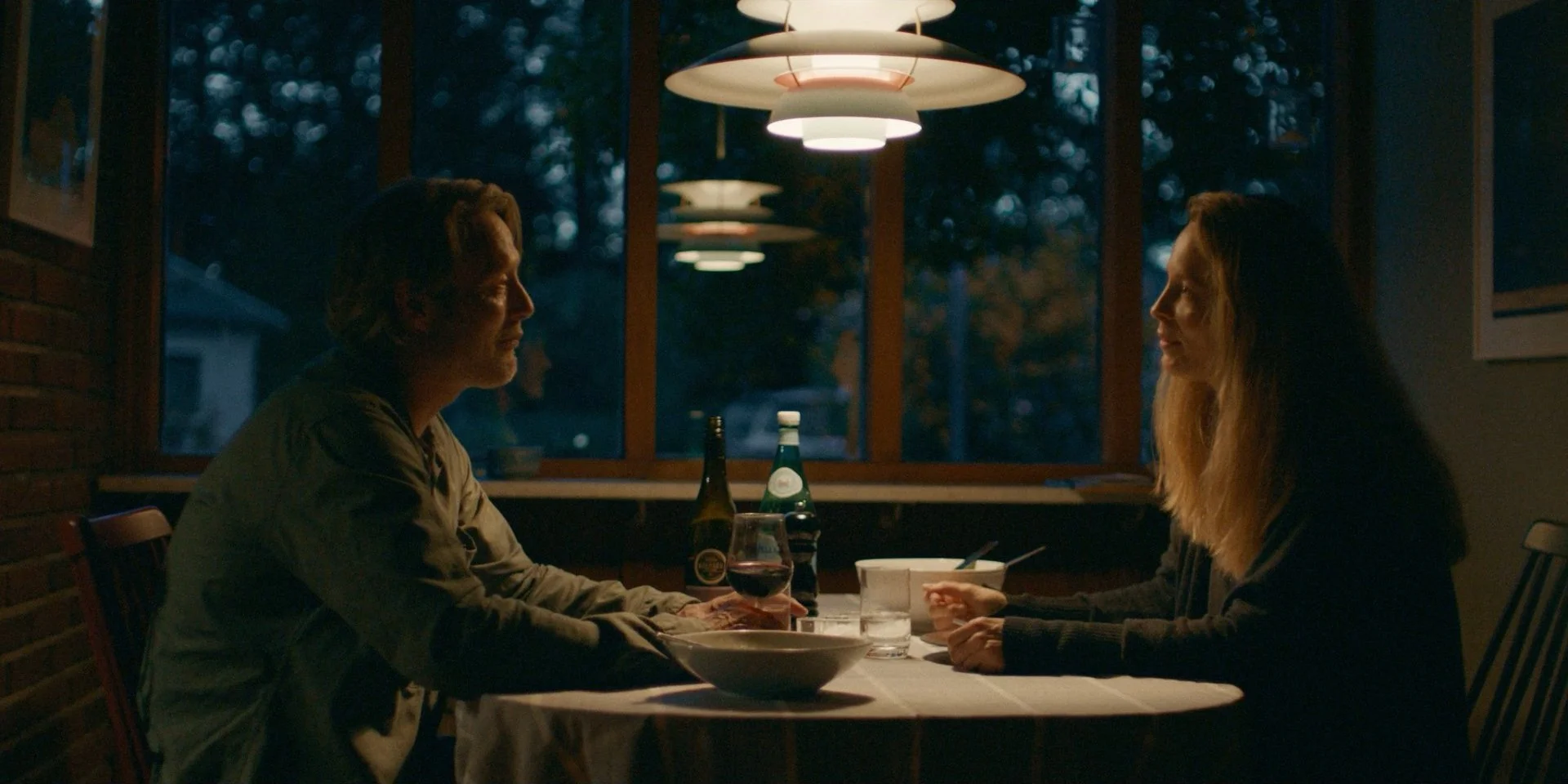
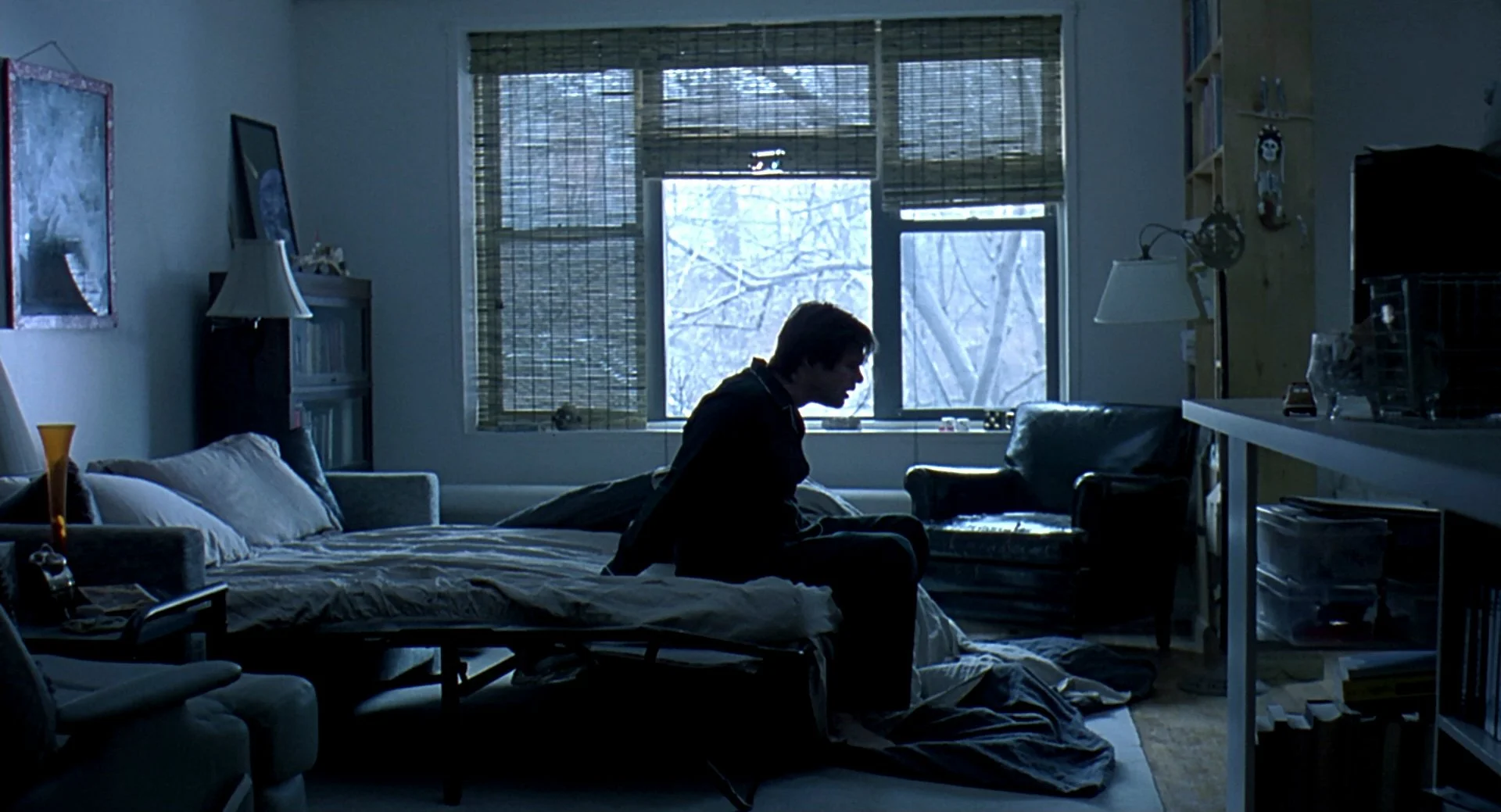
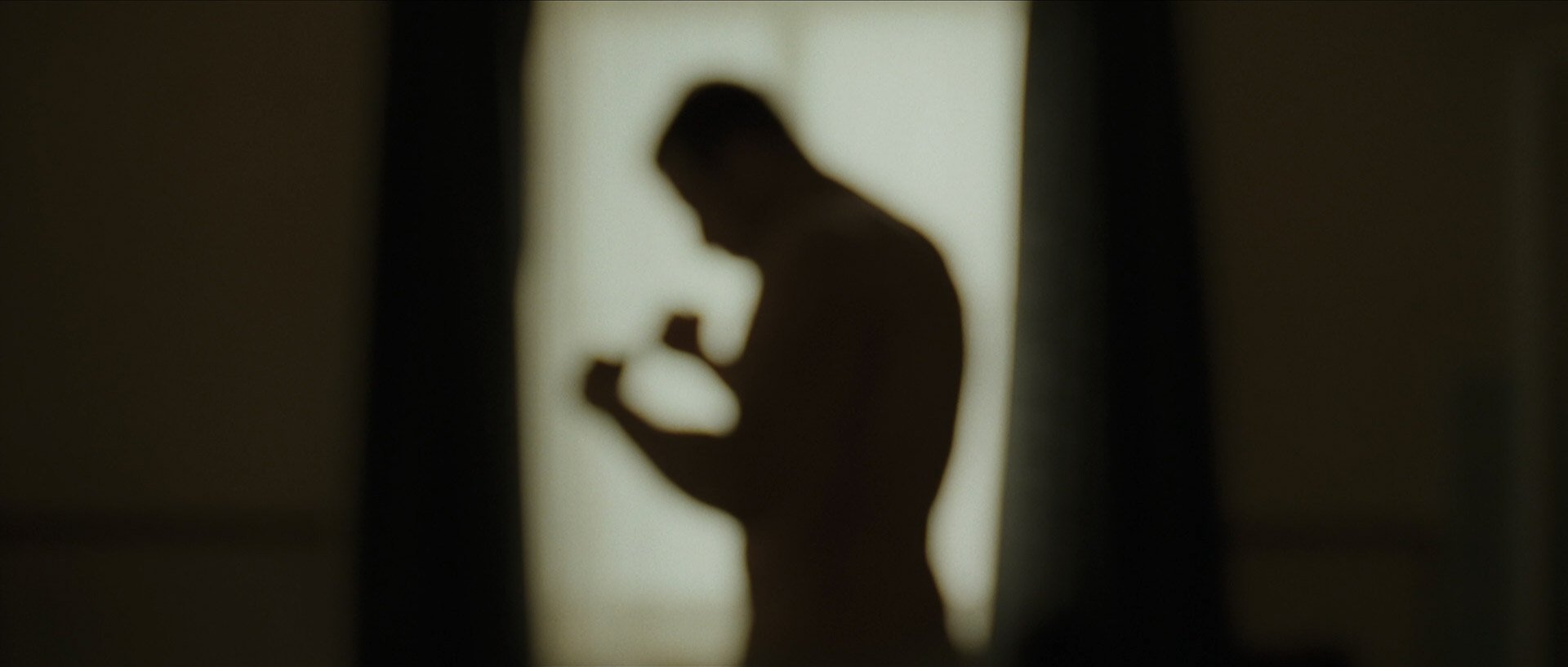
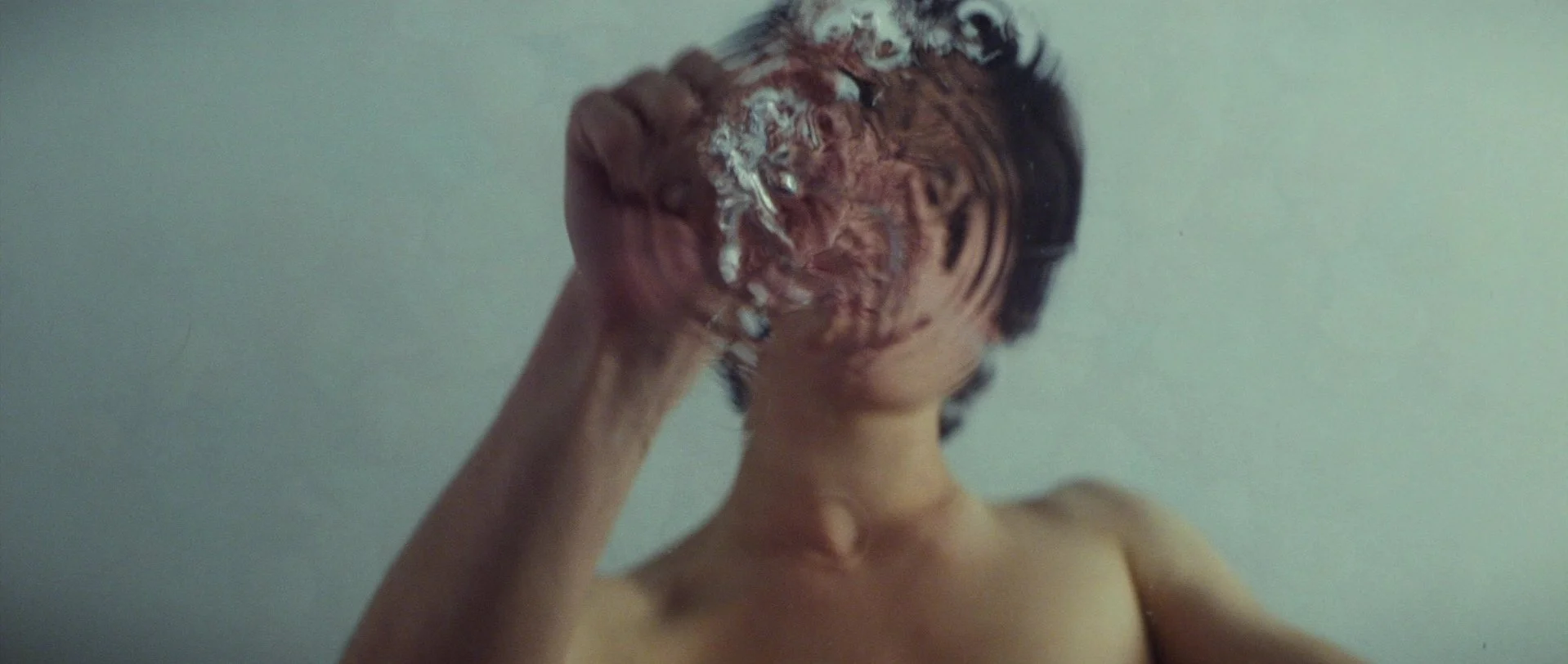
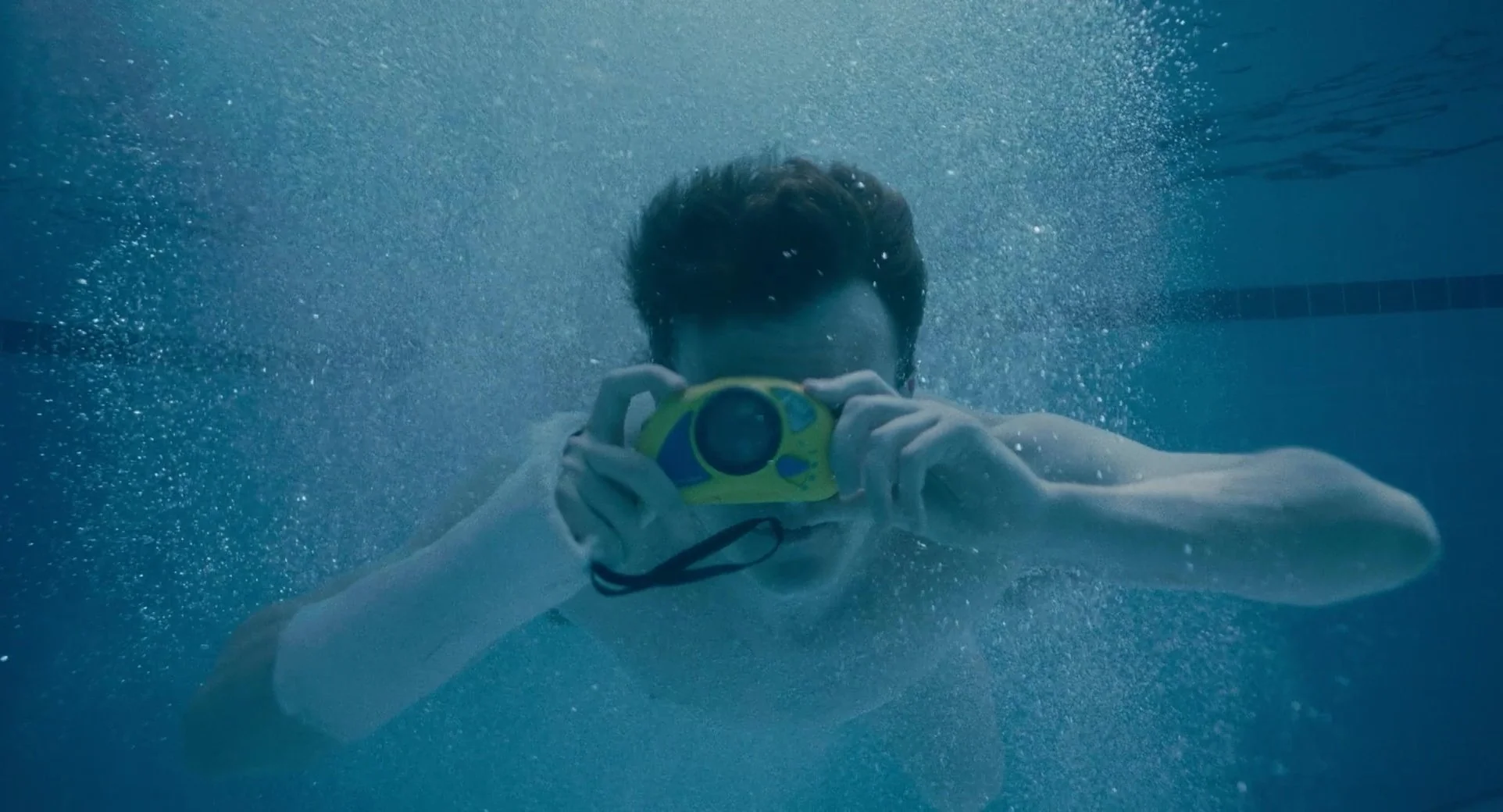
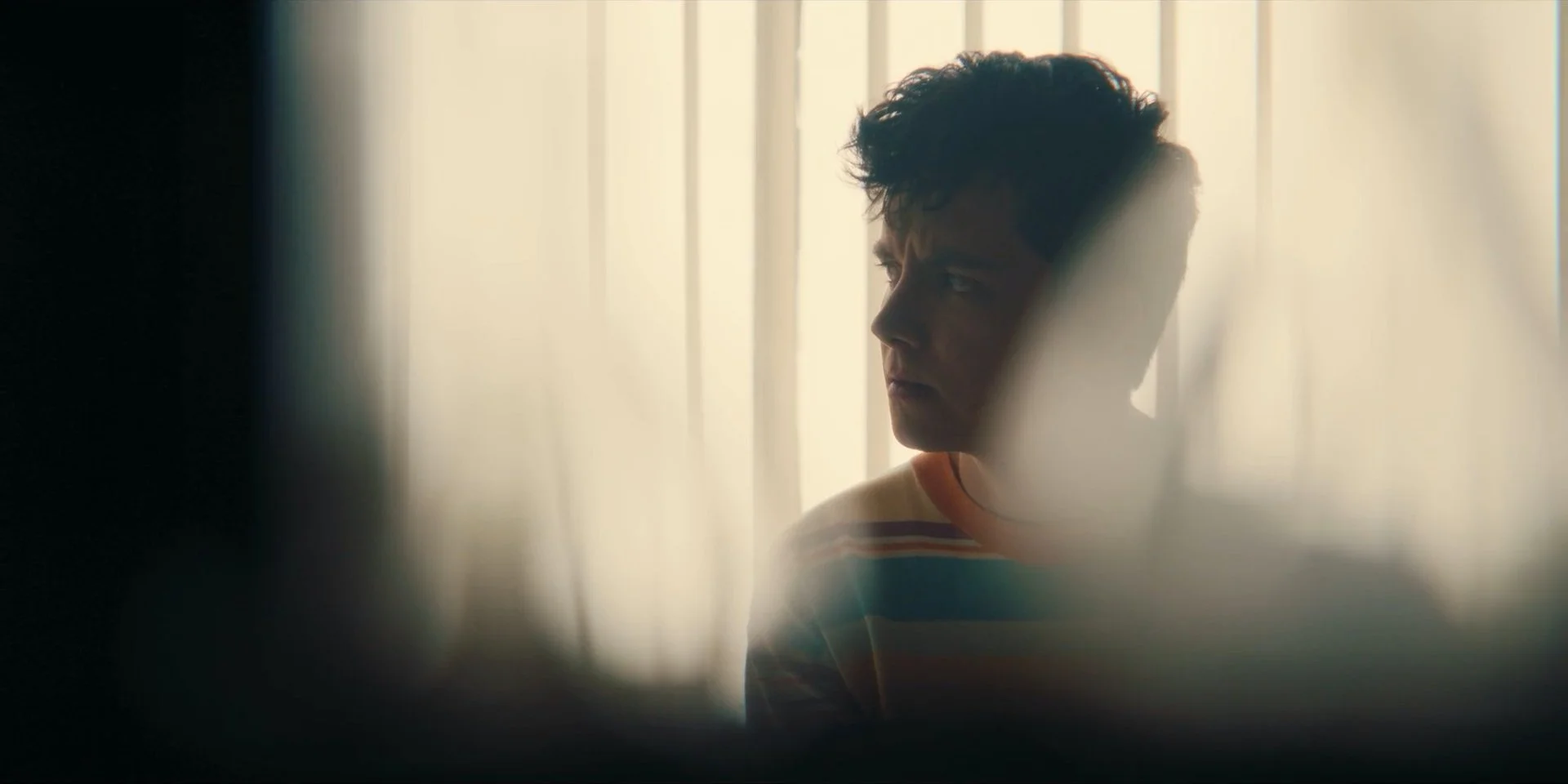
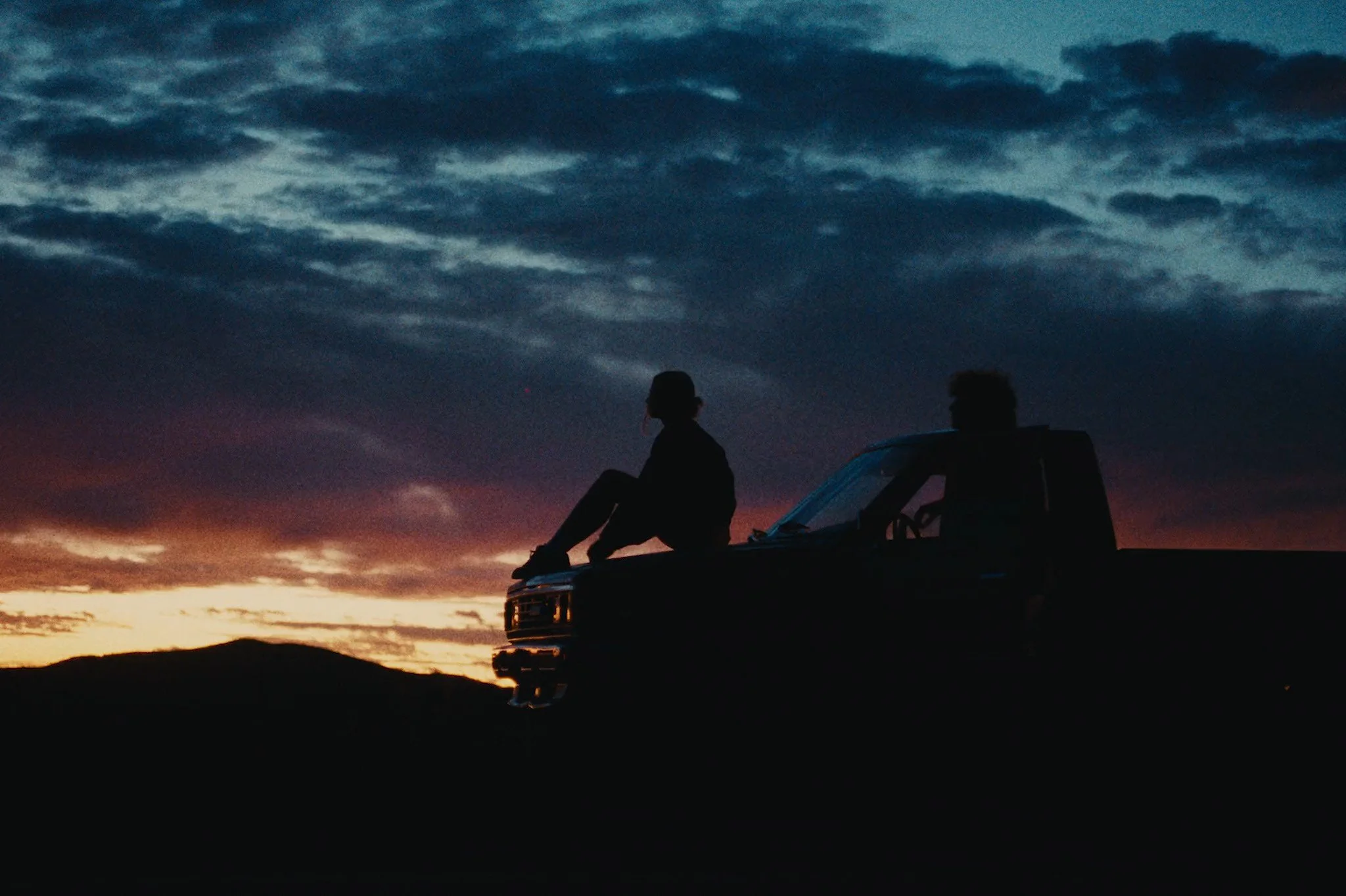
With a main character living with PTSD, the visual vocabulary is crucial for the audience to not only understand, but feel Joachim’s inner journey. These techniques are introduced gradually through the first half, but it is only after the he is triggered in the classroom that they truly become intense, and more frequent.
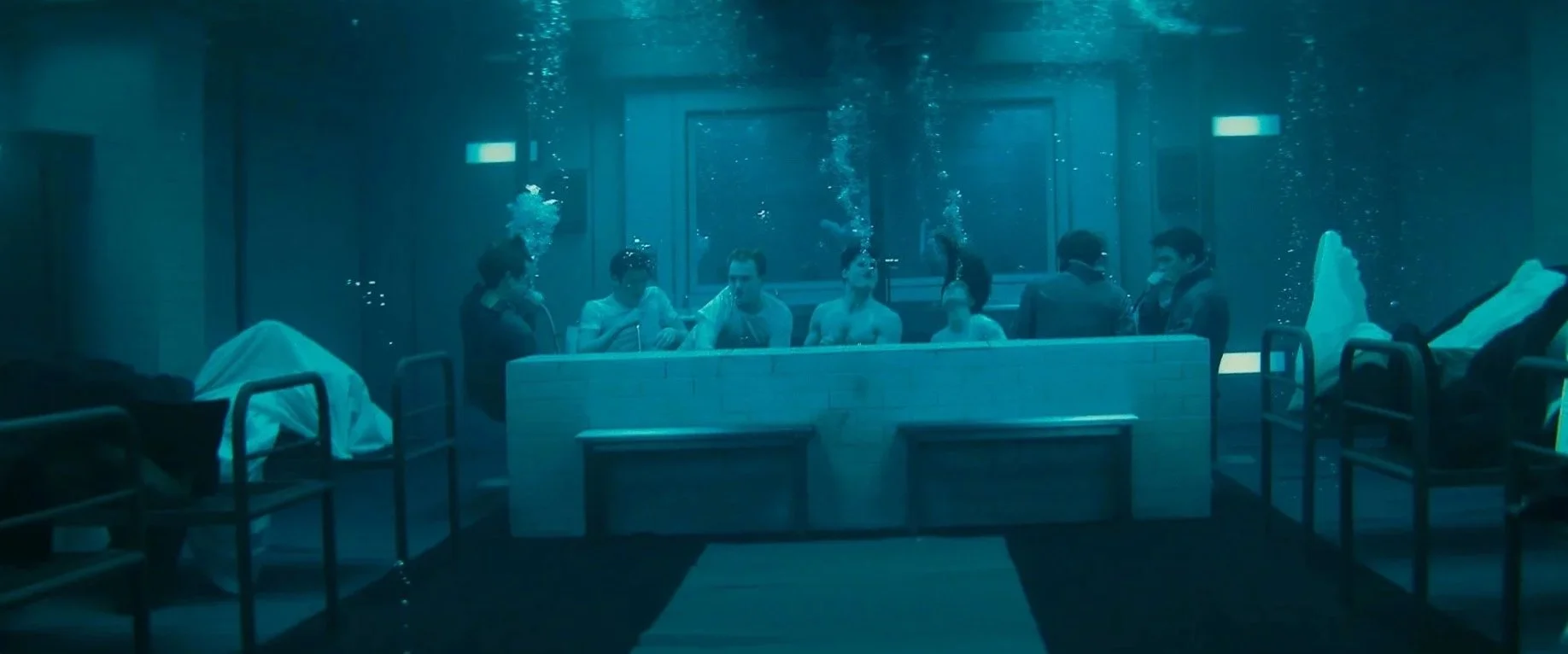
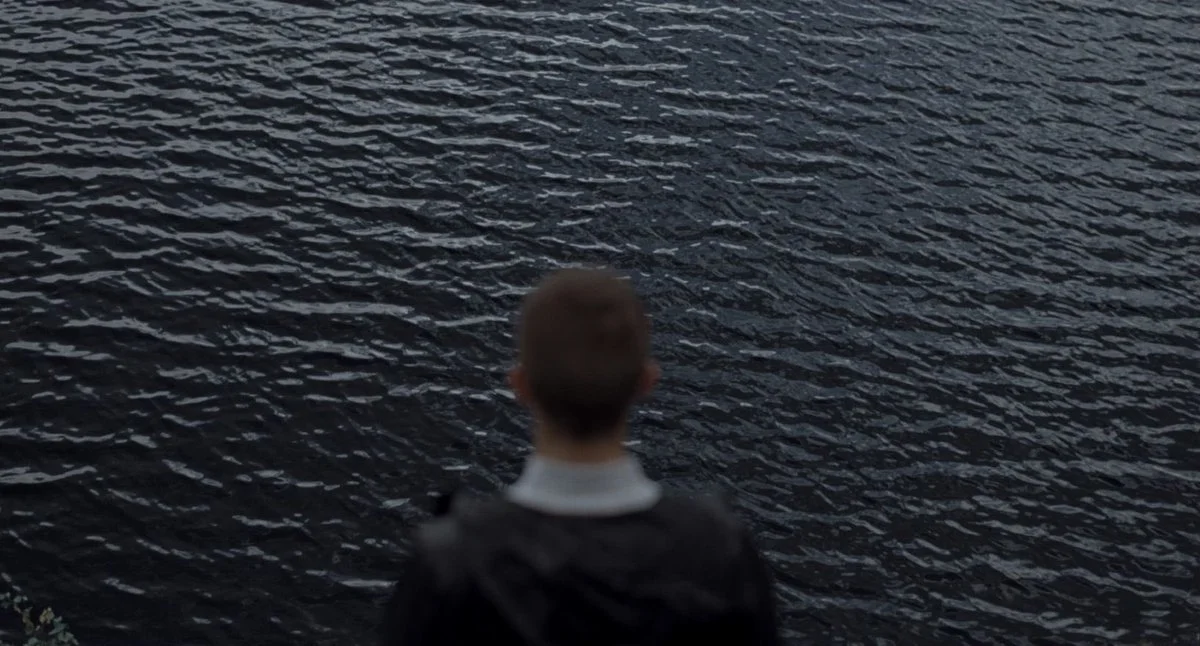
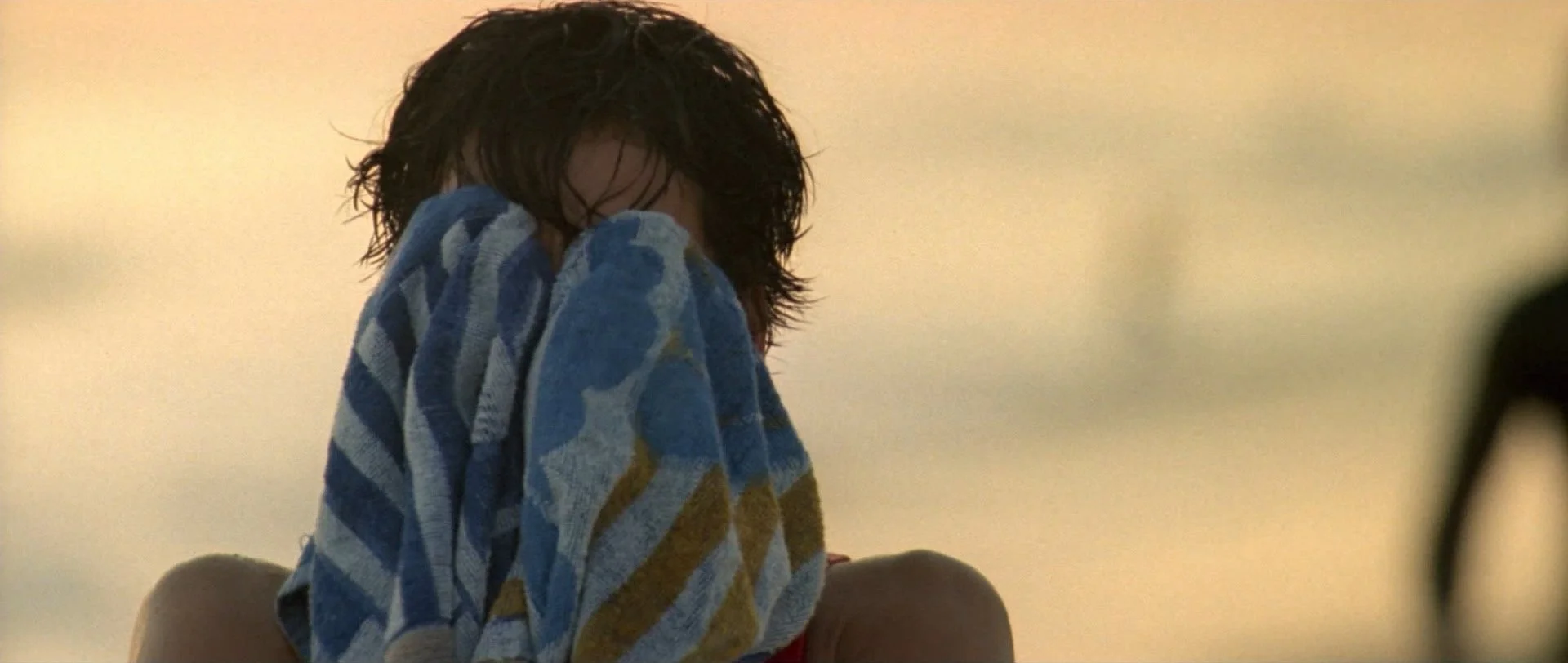
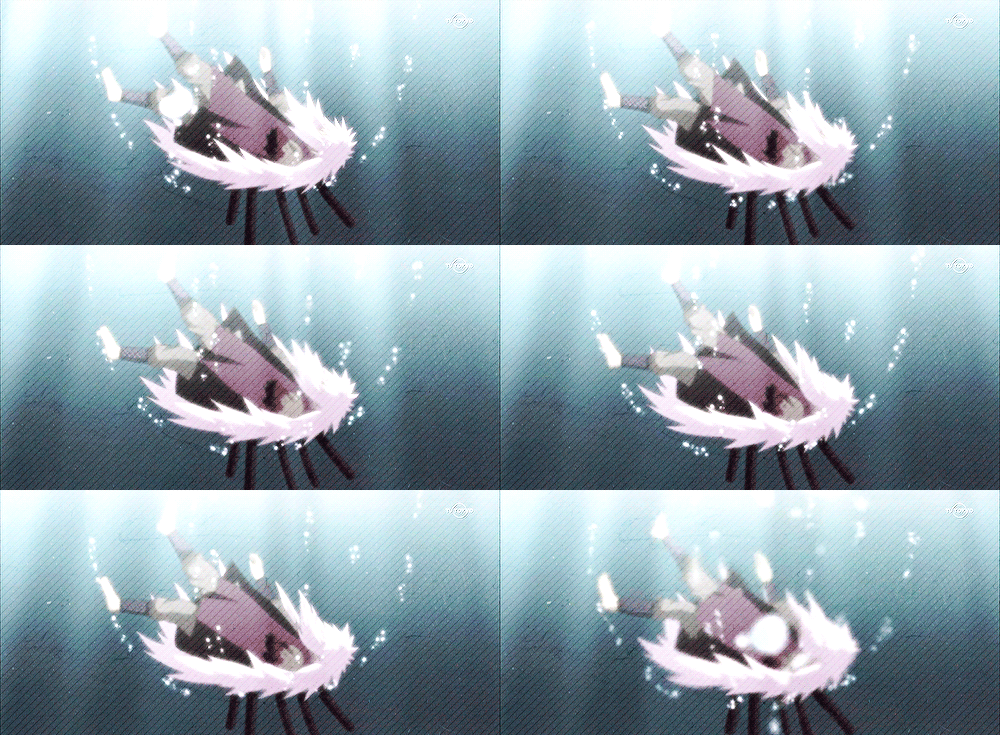
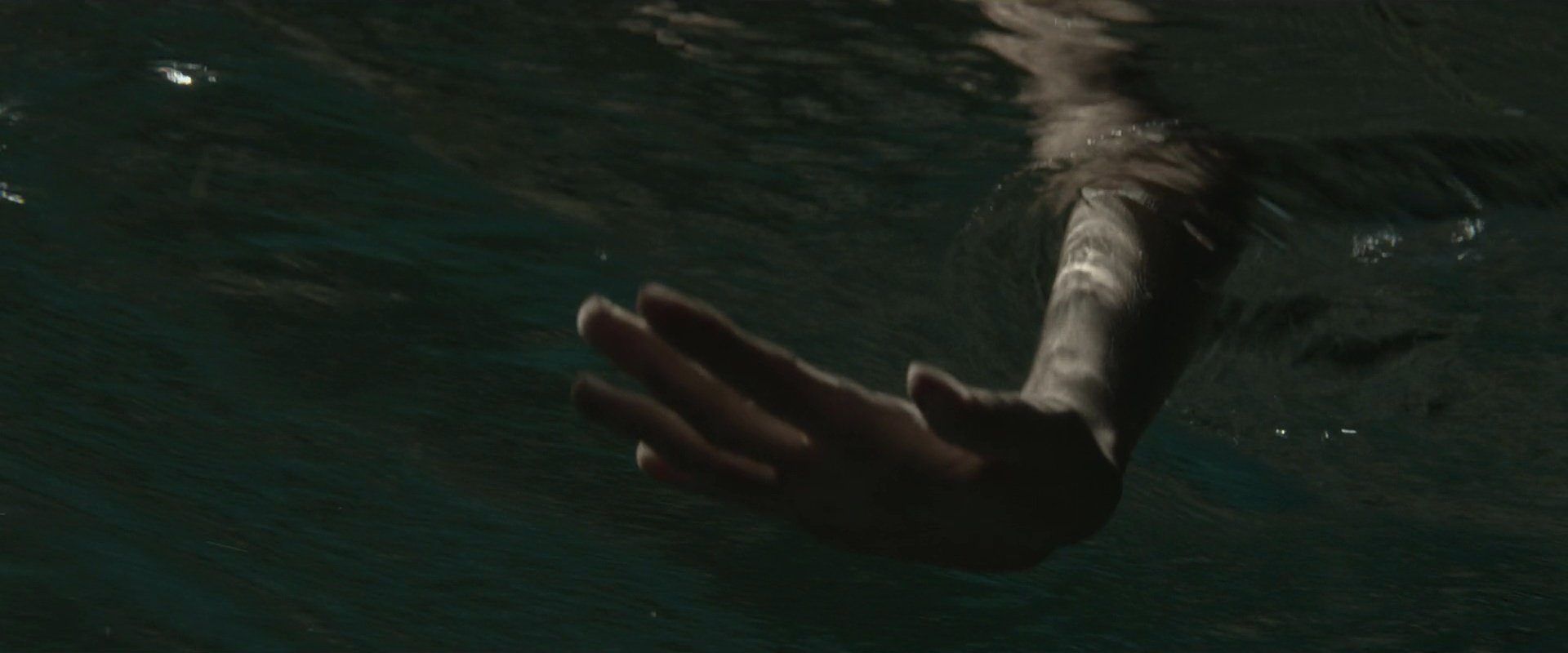
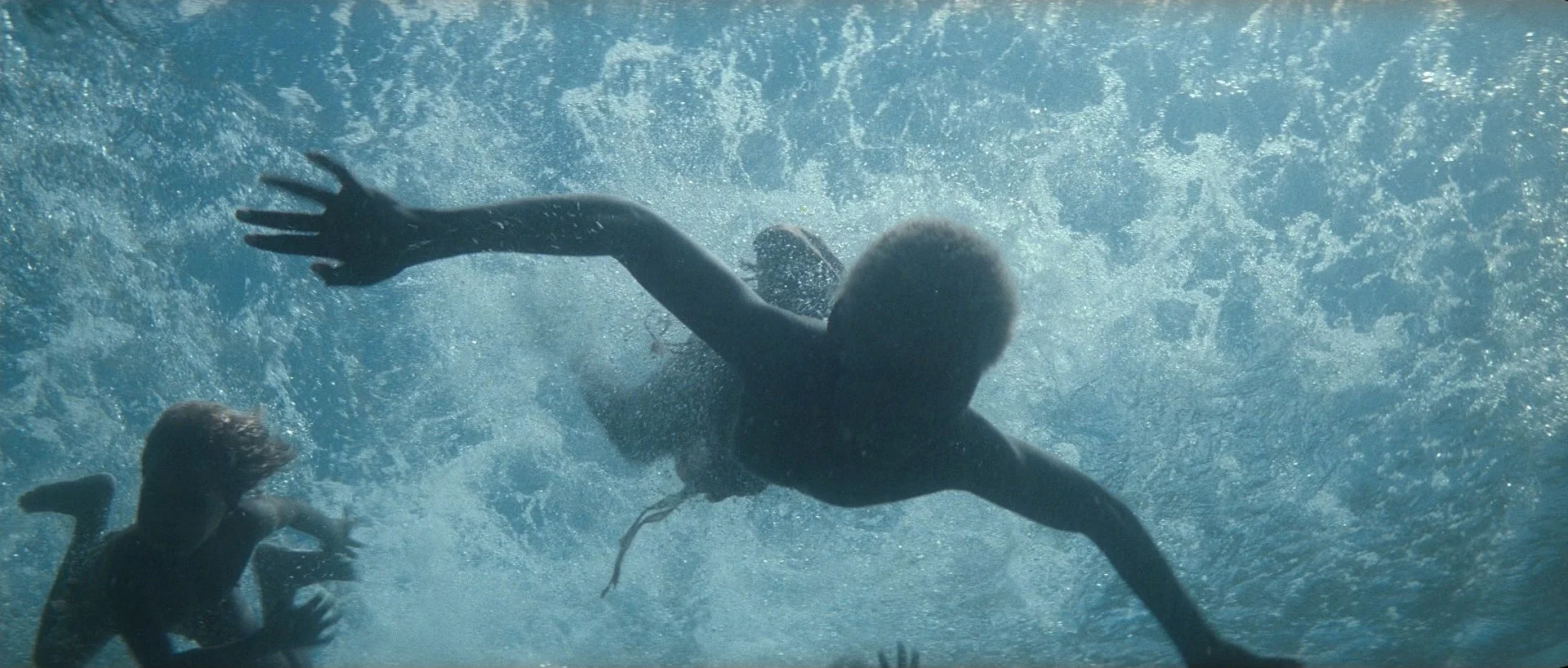
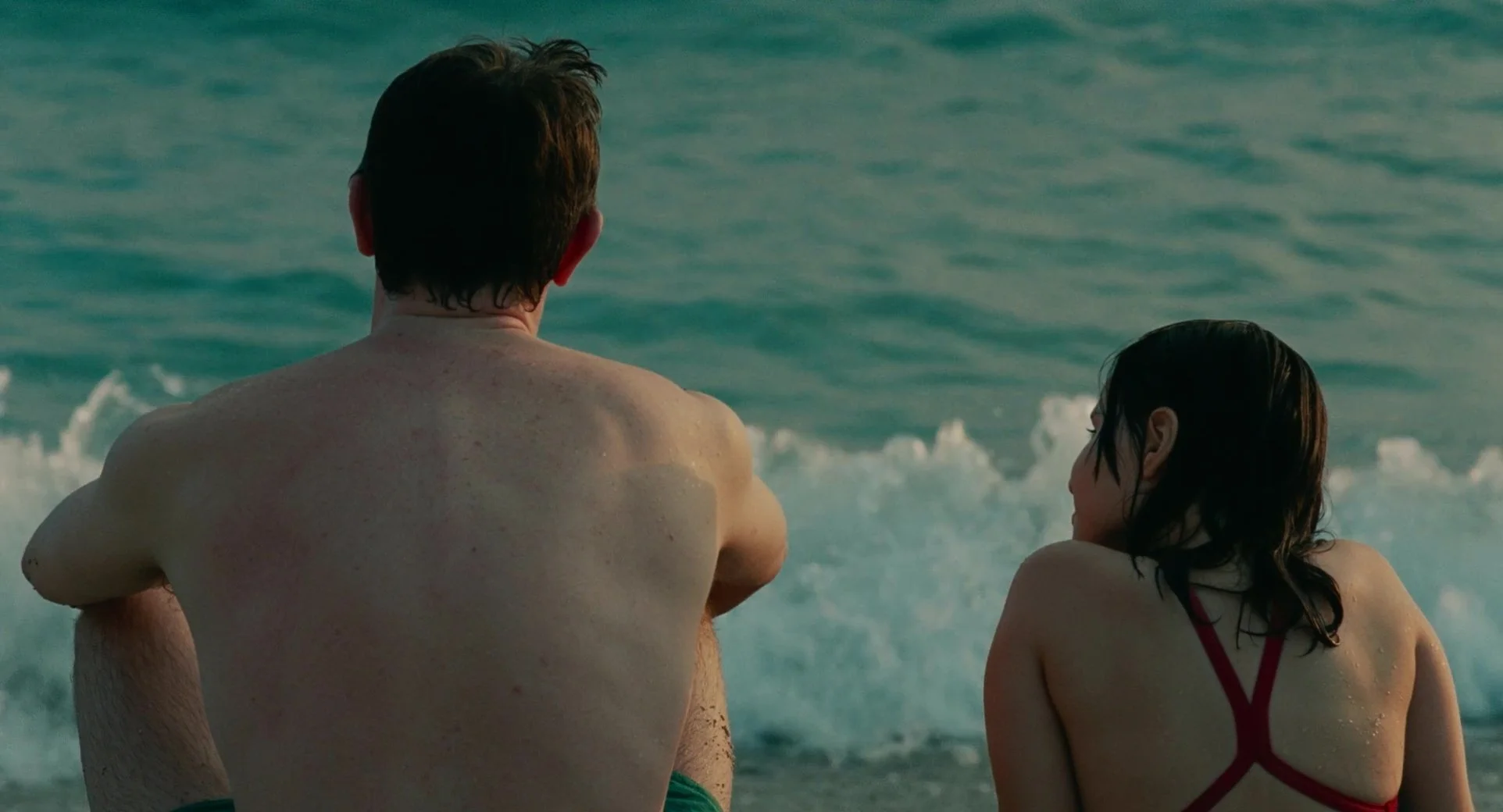
The water symbolism is used directly several times in the film, and shows Joachim’s journey through the trauma. At the New Year’s party, after being triggered again, Joachim moves as if he is under water. When he is at his most vulnerable and opens the front door of his house, it opens onto the fjord by Utøya, showing how simply stepping out the door feels as dangerous as being in the line of fire again. When he is finally ready and goes in to Erika to confront his trauma, her door becomes the symbol of breaking the surface.
Beyond these four scenes, the water symbolism is used subtly throughout the film. The sound from the Nesodden ferry’s wake, a pressure washer, the liquor drunk at parties, or the presence of water in a room. The water is always there, imperceptibly, like a subconscious reminder of Joachim’s condition.

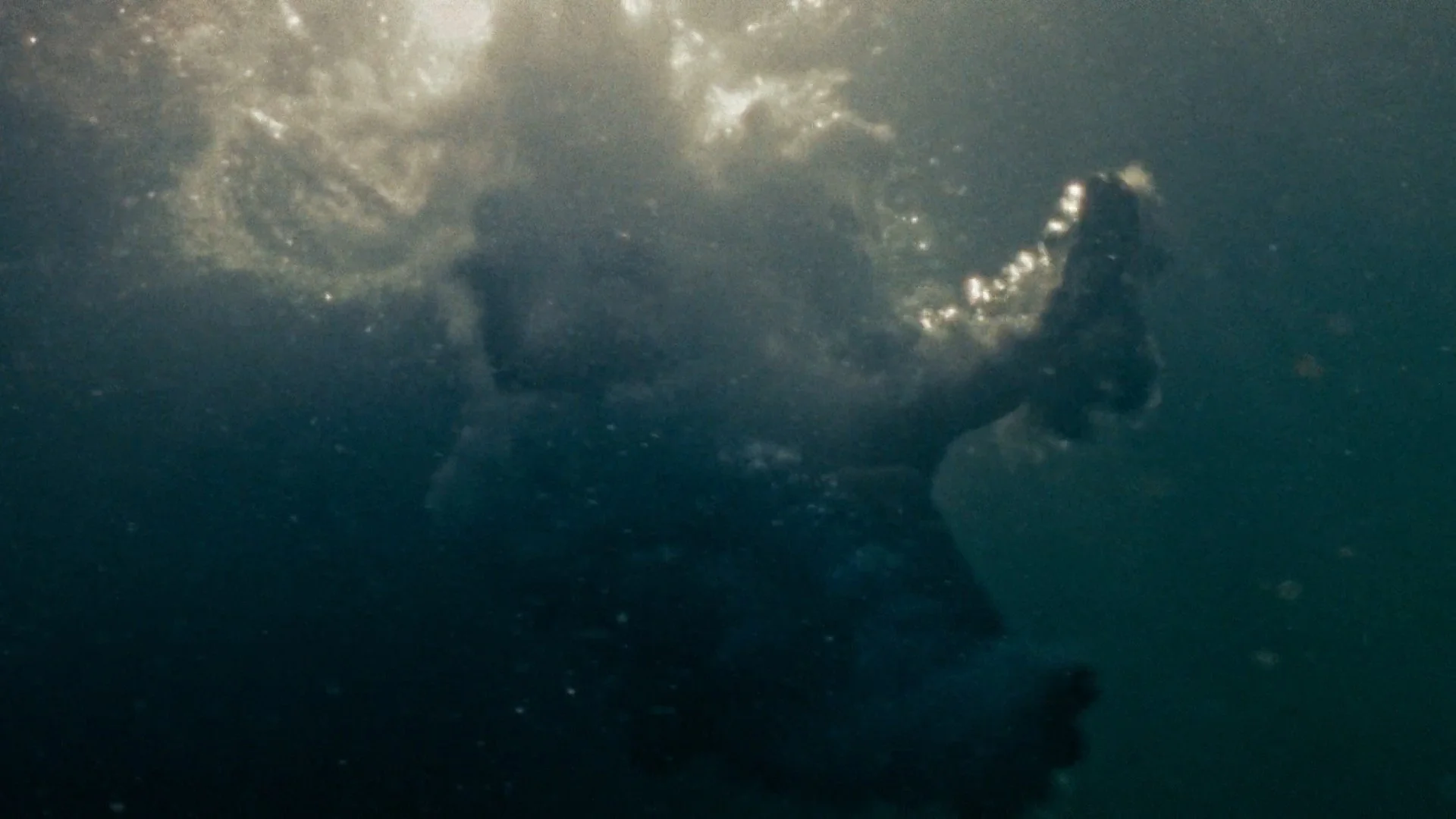
I swam from Utøya and was picked up by a boat in the fjord. In the water I felt a sense of safety. I knew I could dive under if I was shot at, and that the surface tension would stop the bullets. This experience of safety underwater, and mortal danger at the surface, is the image I use to visualize PTSD in The Deep.
In the film’s first act, Joachim dives under the water as he swims from Utøya. Only halfway through the second act, when Joachim is triggered by the loud bang in the classroom, do we see him “resurface.” With water as a symbol, we show that he has been hiding beneath the surface for weeks. This mirrors how what he has repressed rises up from the subconscious. When he dives down again, he sits among his classmates in a classroom filled with water, and now—when the reality of what he has experienced comes closer—he can no longer breathe in the protective deep. This is an important scene for me that illustrates the claustrophobic nature of PTSD for the audience. A scene I want to shoot practically.
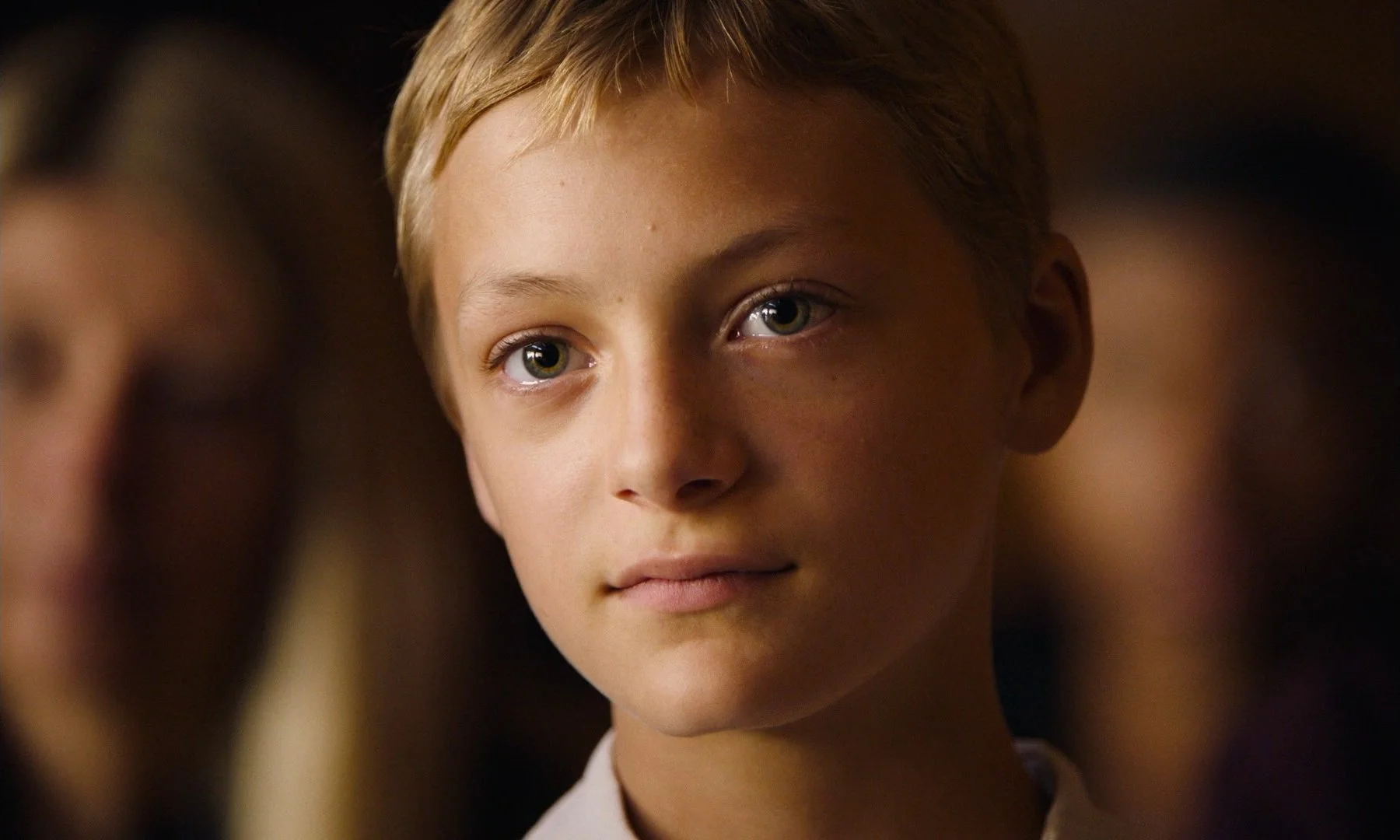
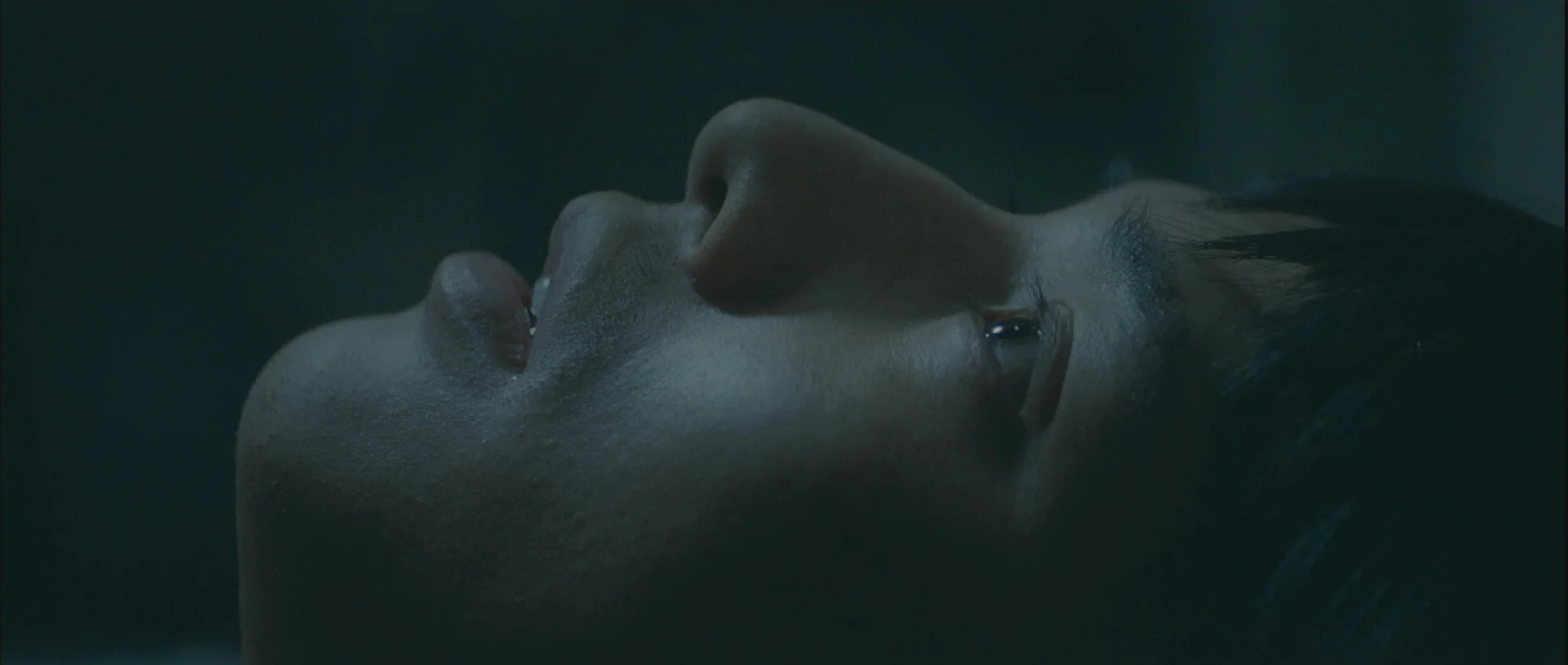
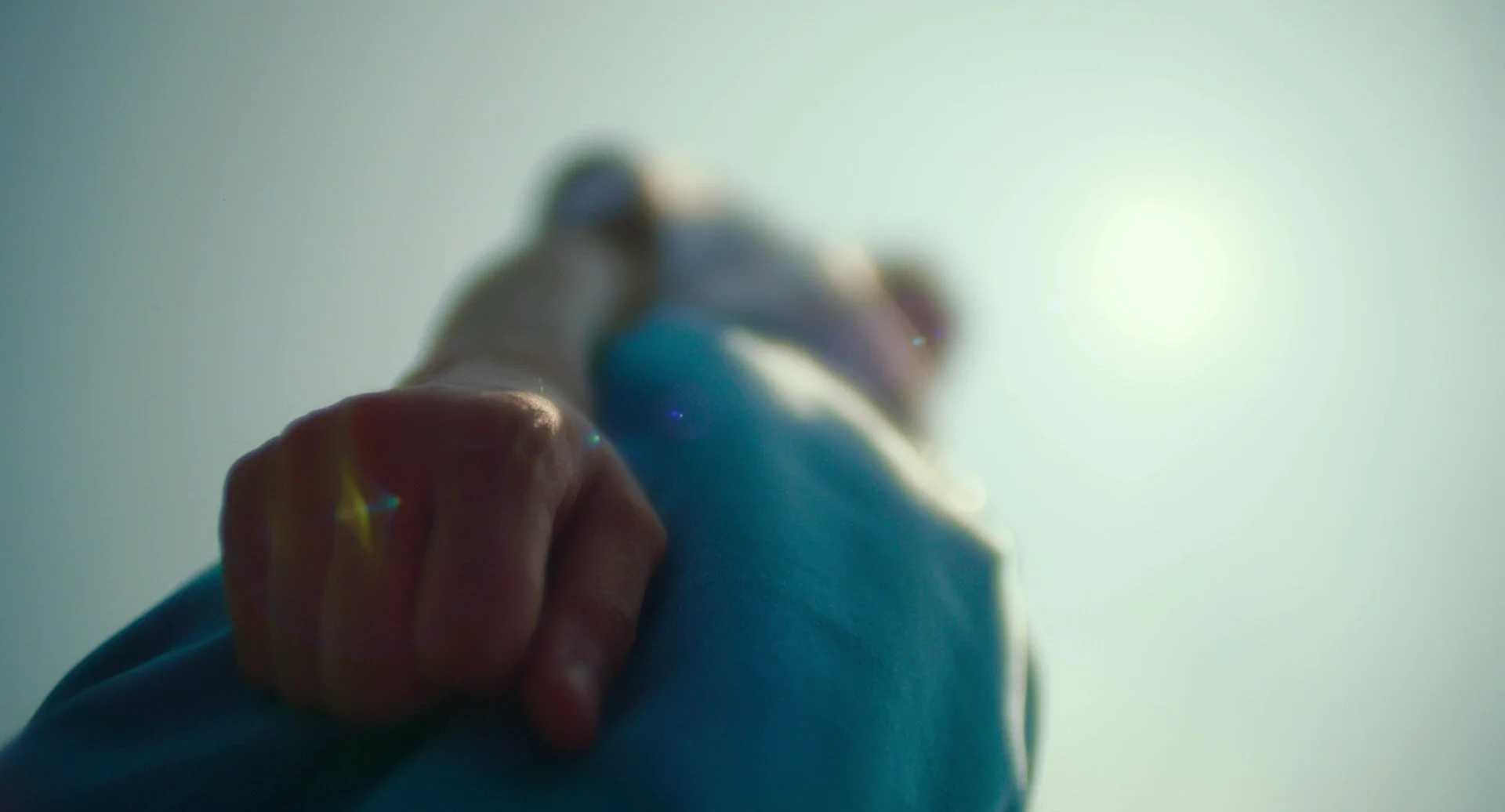
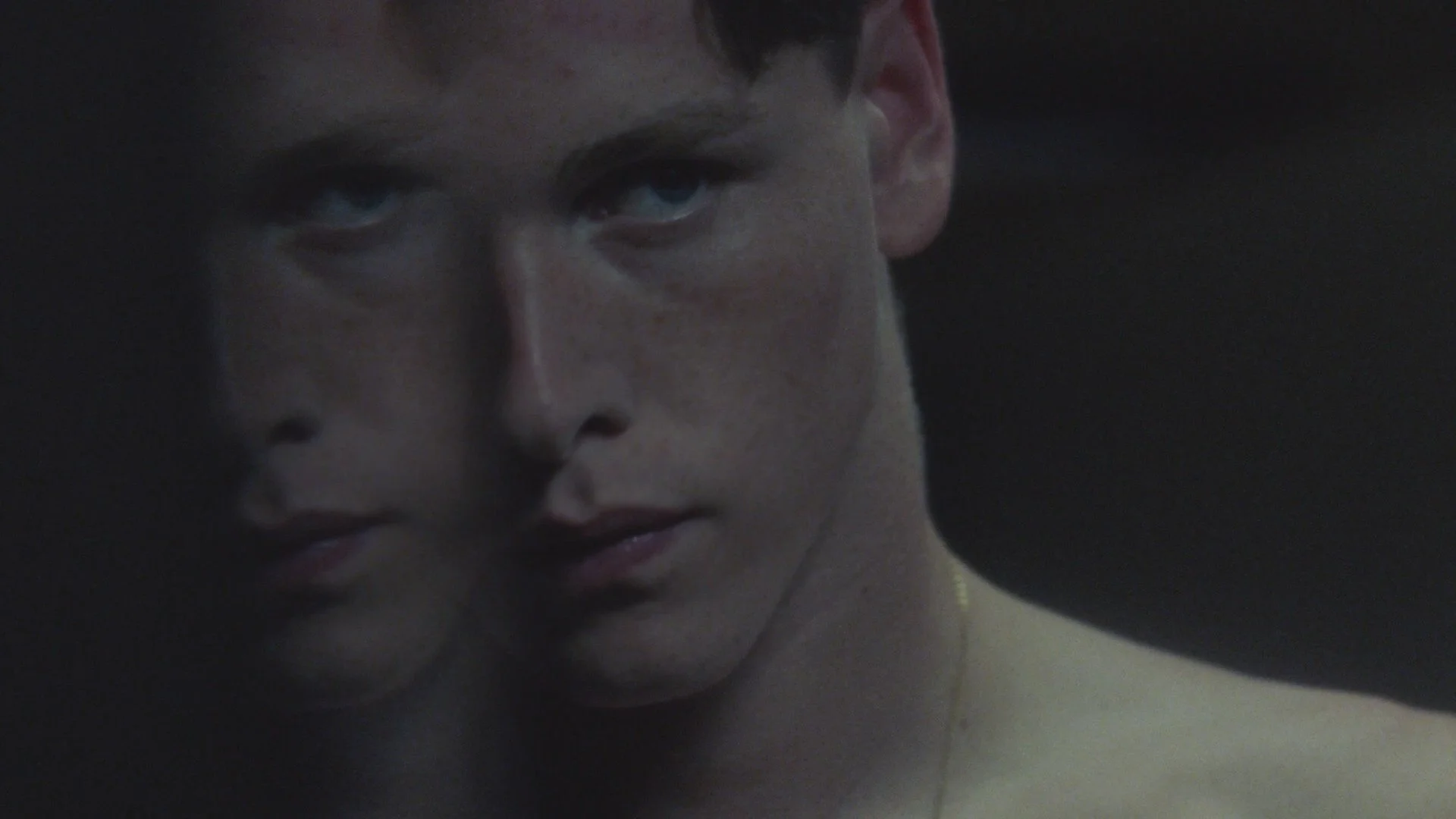
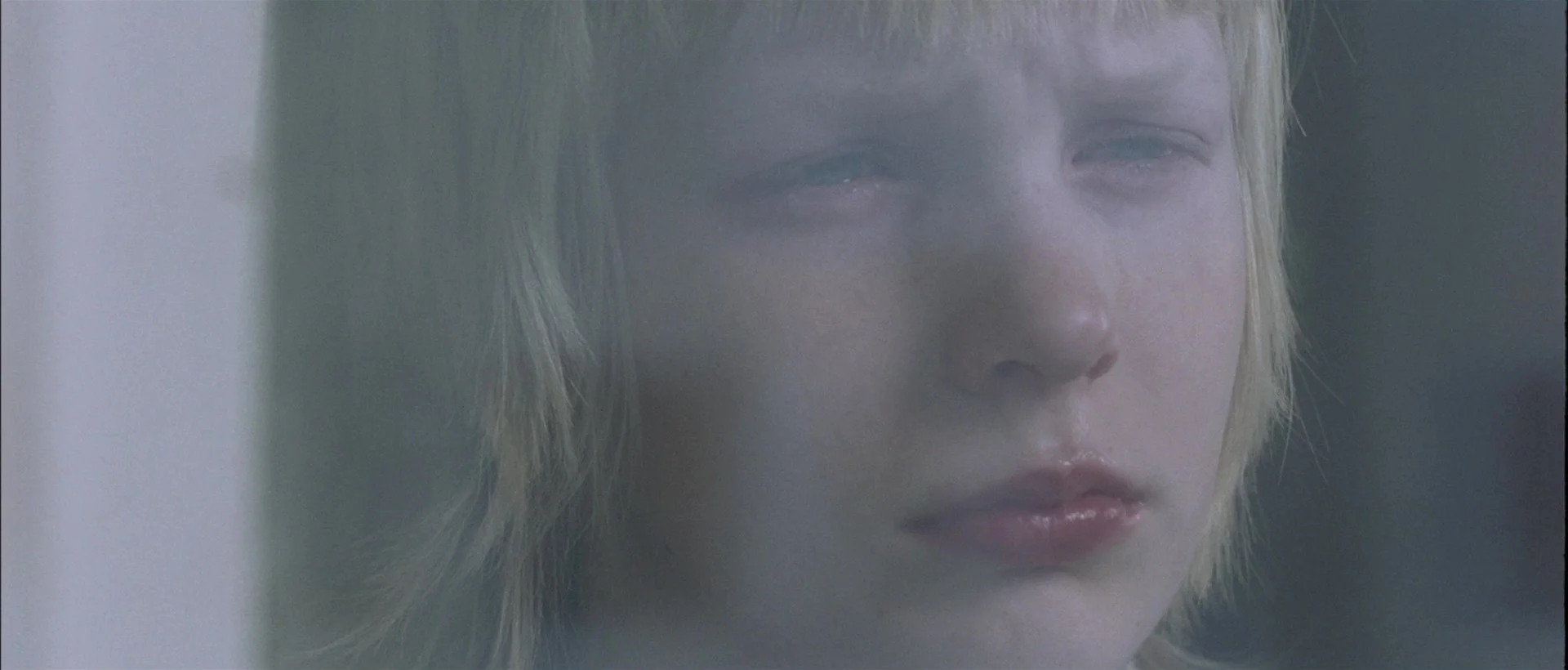
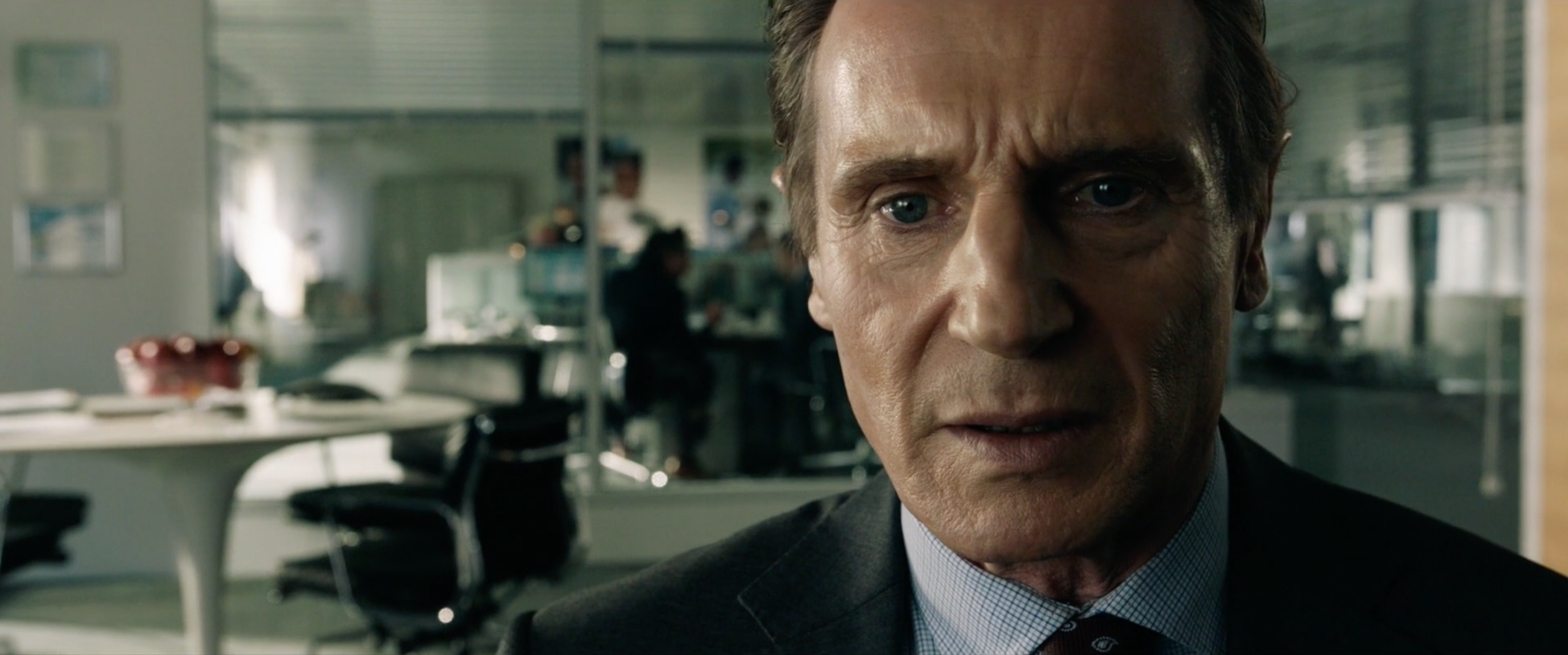
When Joachim is triggered, the world suddenly becomes too much: too loud, too close, too present. In moments like when someone screams on the tram, or when Joachim recognizes the boy from Utøya on New Year’s Eve, I will use a rare technique called “iris pulling.” The aperture is linked to a variable ND filter, and we can change depth of field without changing exposure. With this we can go from an image where only Joachim’s eye and nose are in focus—to an image where the whole world is razor sharp—in the same shot, emphasising exactly what PTSD feels like.
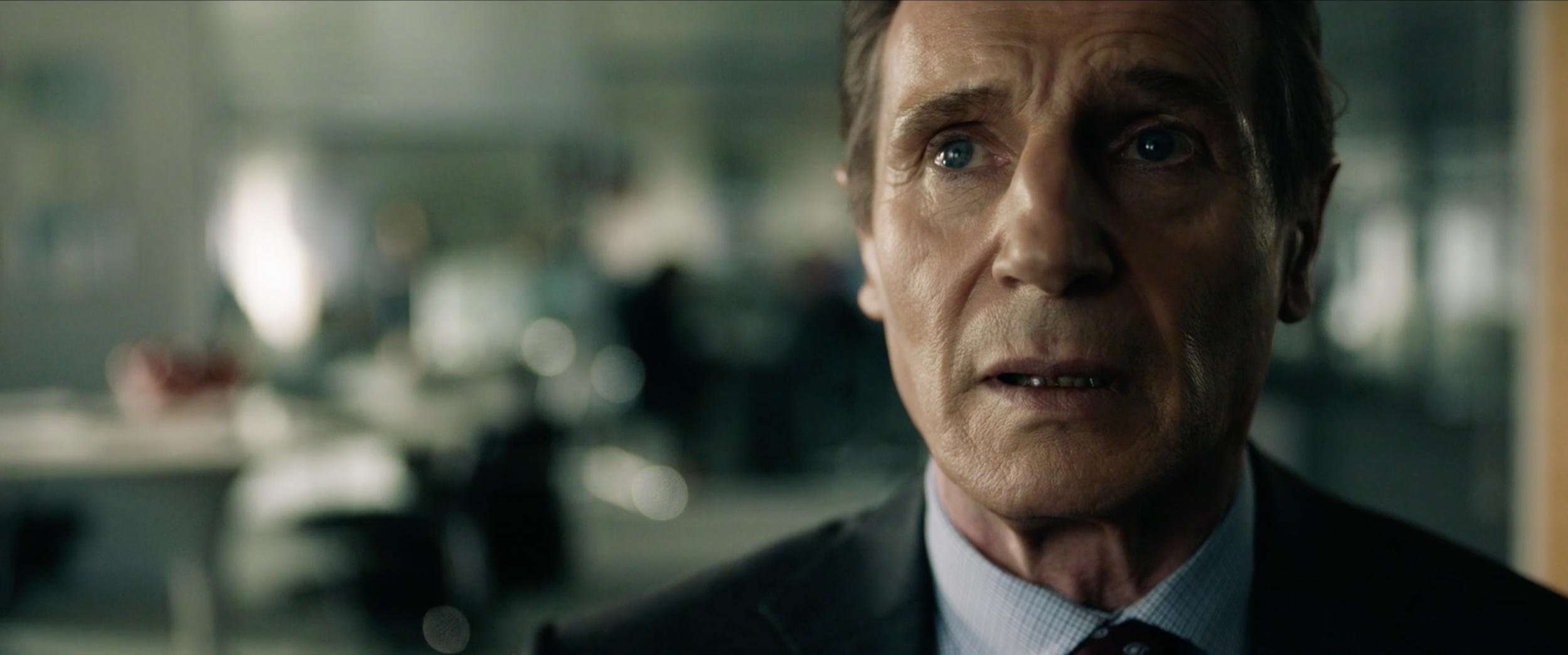
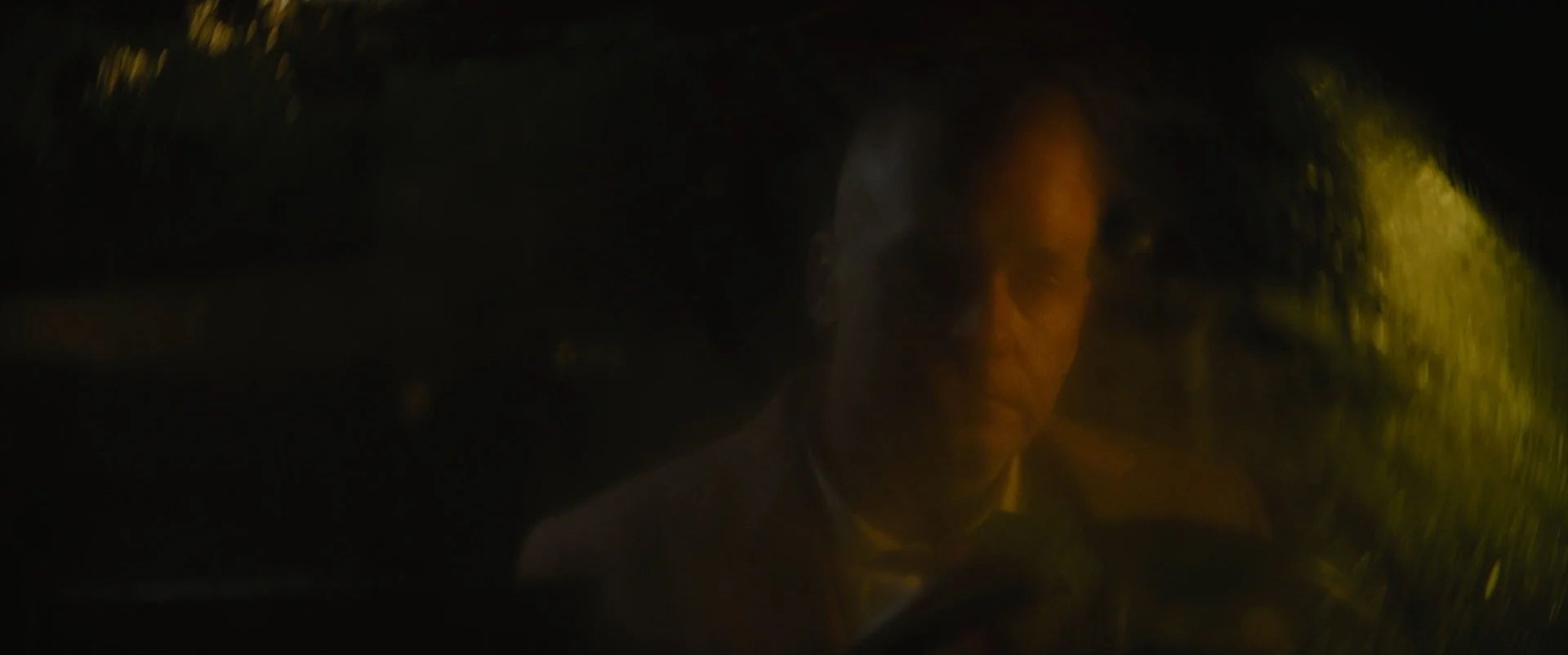
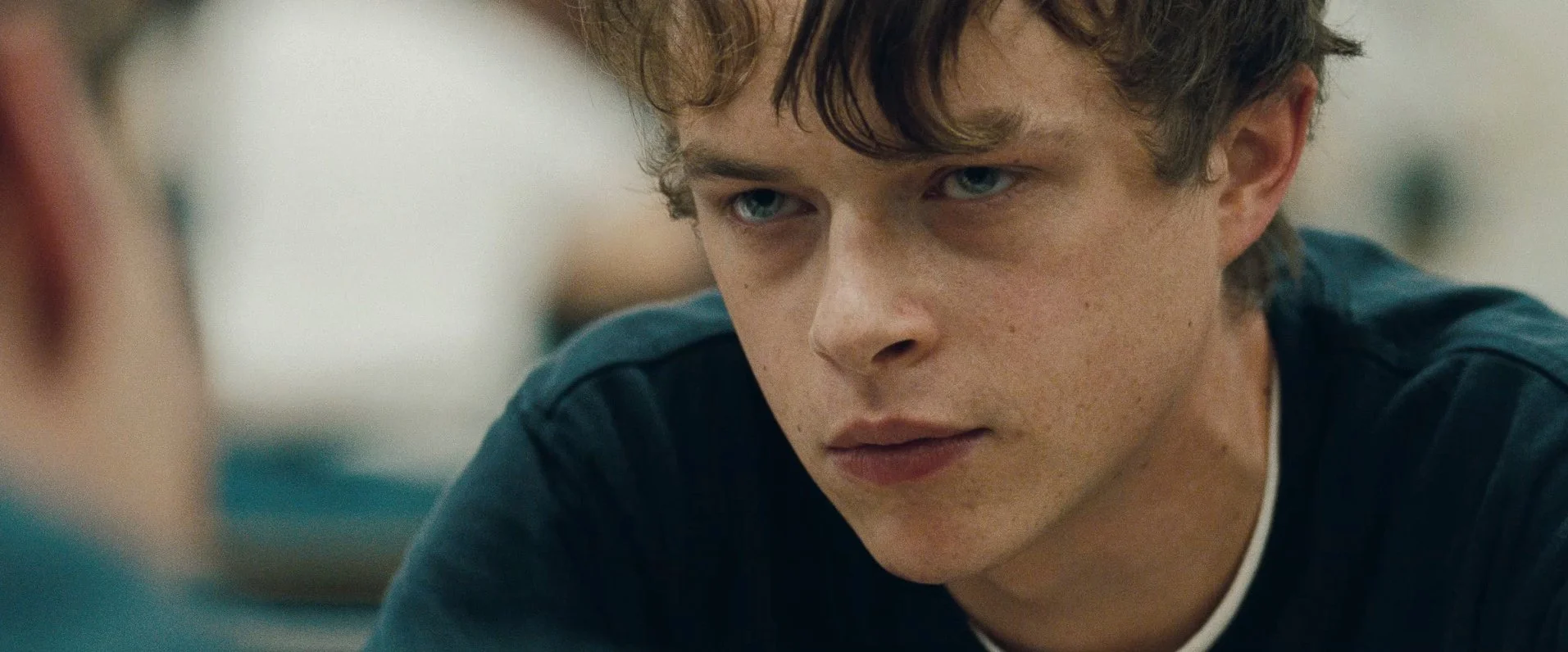
The rest of the film also uses iris pulling and aperture, subtly. The more dissociative Joachim is, the wider the aperture. He isolates himself from a world out of focus. This expression is reinforced through lens choices: by combining wide-angle and telephoto we create a sense that Joachim is either surrounded or isolated. We also use tilt-shift lenses to bring the same "focus language" into wide shots. With telephoto lenses we can shoot “dirty frames,” where objects and surfaces in the foreground sit in front of the subject—as if the world is always in the way. Older lenses can also give a particular kind of focus character, as in The Assassination of Jesse James.
With these techniques, balance is important. If everything comes at once—too often, or too quickly—it becomes a gimmick. Therefore it will be built up, used consistently, and create a clear, original, visual vocabulary. In collaboration with cinematographer Julian Jonas Schmitt, whom I have worked with previously, I know that his precision and eye for detail will make it possible.
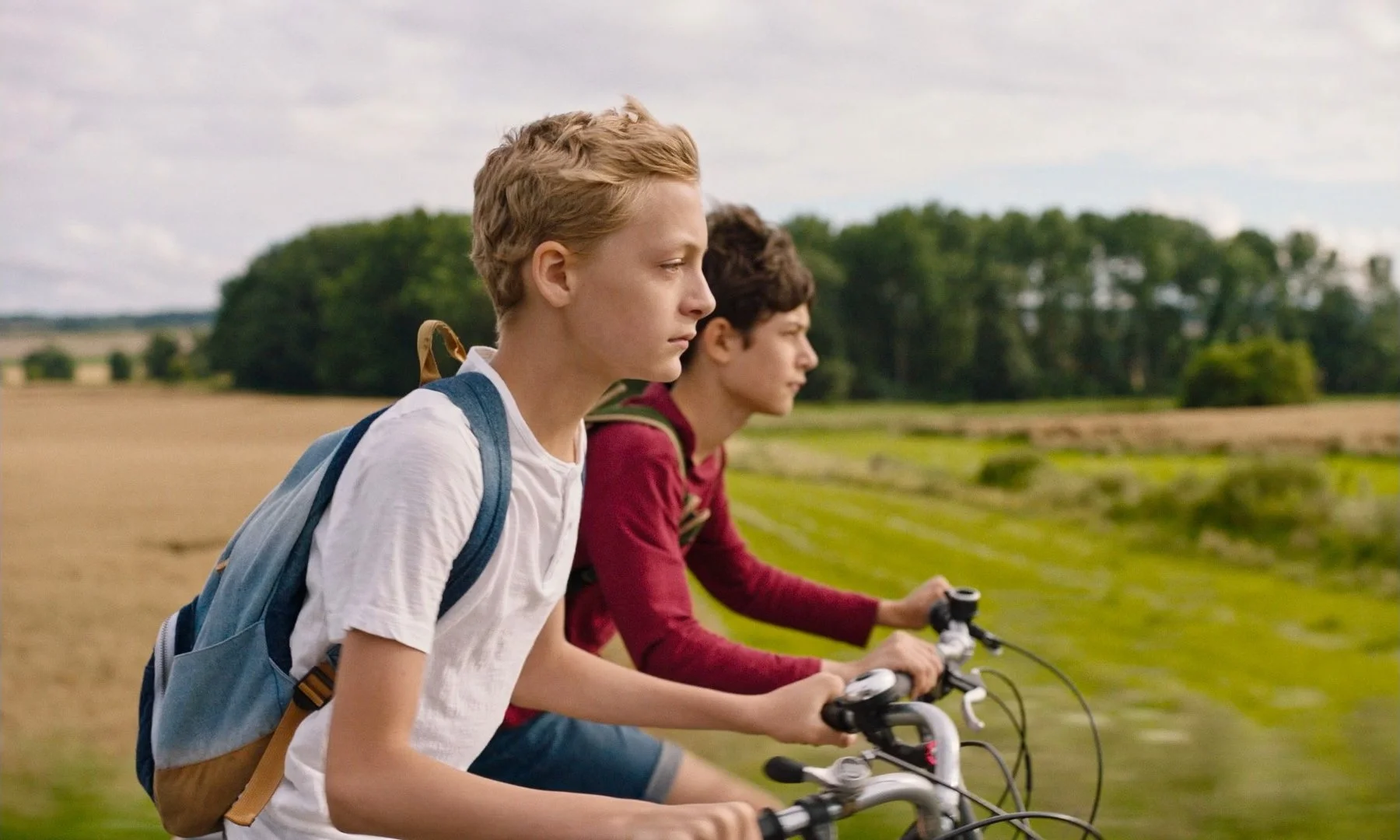
The camera movement in the film will largely be dolly and tripod. Much of Joachim’s emotional register is gone, and the camera will mirror this with a controlled, “steady” movement style. At the same time, we will use handheld where needed for contrast—and where the feeling demands that the film loses its footing. I work, fundamentally, with shot economy: fewer shots and better blocking give more time to go into detail on each shot in pre-production, more room for performance during production, and more precise, dynamic images. This is also important when the film has a low budget and limited shooting time.
UTØYA & ANIME
One of the ways Joachim tries to take control of his own narrative is through lies. When he is confronted with what he feels, he lies—both because he is running from what happened, and because his greatest shame is that he actually doesn’t feel any of what he thinks he should. Over time, these lies don’t function only as an escape, but also as a source of positive attention: people become interested, he becomes a focal point, and since he isn’t in touch with his feelings and can’t see the situation clearly enough from the outside, he begins to use the victim role shamelessly—blind to the immorality of it. Utøya becomes an inexhaustible source material for making himself as heroic as he wants.
I want to animate these scenes in a style inspired by the anime Naruto, which is a key element in the friendship between Joachim and Kadir. In this way we see how Joachim tries to control the story of his trauma, while the animation also makes it clear he is moving away from reality. This—the world of the animated lies—is a perfect space for the theatrical, exaggerated film language I want to infuse Norwegian film with. Naruto as a recurring theme in Joachim and Kadir’s friendship also mirrors my vision of weaving together Asian and Nordic cinematic expression.
My network in Tokyo makes it possible for me to work with an animation team there—and to communicate directly in Japanese to bring my vision across.

When we finally show Joachim’s actual experiences from Utøya, they stand in stark contrast to the animated sequences we have seen. As mentioned, The Deep is a fictionalization of my experiences after July 22, but in these scenes—where Joachim finally goes into his experiences on Utøya—every moment is something I actually remember.
Here the film’s contrasting expressions come into their own: the exaggerated, humorous, suspenseful collides with brutal reality. The audience, like Joachim, has been allowed to laugh, joke, and escape what is hardest—yet still cannot escape it.
MUSIC
In most of my previous projects, I have composed the music with a producer. I am also an artist on the side. In The Deep, I want to collaborate with a professional music producer and arranger, so that I have someone to spar with and lean on—someone with the right experience.
The film’s main theme will be a requiem. When I was in high school, we performed several requiems in choir class, and it has become something I associate with that time. The music is one of the most important tools for clarifying the contrast between Joachim’s emotional numbness and what he is actually carrying. At the same time, it feels right to write a mass for the dead, for a film that is indirectly a testament to the massacre on Utøya, and everyone who died there.
Choral works are also versatile. I imagine organ and a string ensemble in the instrumentation, but with room for modern production and the use of sound design. Some of my inspirations for this are:
Voces8 (the way they make modern music with a vocal octet),
Ghost in the Shell (cluster chords and intensity),
Naruto Shippuden (darkness and the use of organ),
Koyaanisqatsi (Philip Glass’s creativity and vocal glissando),
Mozart and Fauré’s *Requiem* (how classic theme and text are used).
Setting the film in 2011 means making an early 2010s period piece: a glimpse into a time that is already historical, but that still lives in the body of an entire generation. Music becomes an important tool. It’s about the hits that are played at parties, and the songs that became inextricably linked to July 22—music that immediately places us in the feeling of 2011.
In collaboration with my producer and co-composer, we will use the requiem to encompass the grief, intensity, and terror of the experiences—but also the humor and joy in the friendship between Joachim and Kadir.
The original score will only have a few strong “leitmotifs,” or themes, precisely because the film also includes other songs. The tracks I want to use come in part from Naruto—for example when Joachim listens to a “sad Naruto playlist” after the funeral. The same track returns during the scene where Joachim watches Naruto with Kadir, and breaks down at the end of the film. The song from the opening sequence (linked earlier) will be used in the montage as a direct homage to Naruto and anime film language.
In addition, there are Turkish party tracks during the summer parties at the beginning and end of the film.
In 2011, I helped make my first feature film, Everywhen, with friends my own age. I worked in production design and acted, and I continued doing that on several shorts before directing for the first time in 2015. Since then, I’ve attended the European Film College in Denmark and studied directing at DFFB (Deutsche Film- und Fernsehakademie Berlin).
So far, I’ve deliberately made films outside my comfort zone to push myself in different directions: a Viking film with action and stunts, a horror film about a school massacre and trauma, a chamber drama built purely on dialogue and intimacy, and a Japanese-language comedy about social anxiety and shame. Those shorts have been my training ground—building the skills I’ll need to make The Deep.
Below is parts of a ten-year journey through short films—trial and error—with all the music composed and / or sung by me.
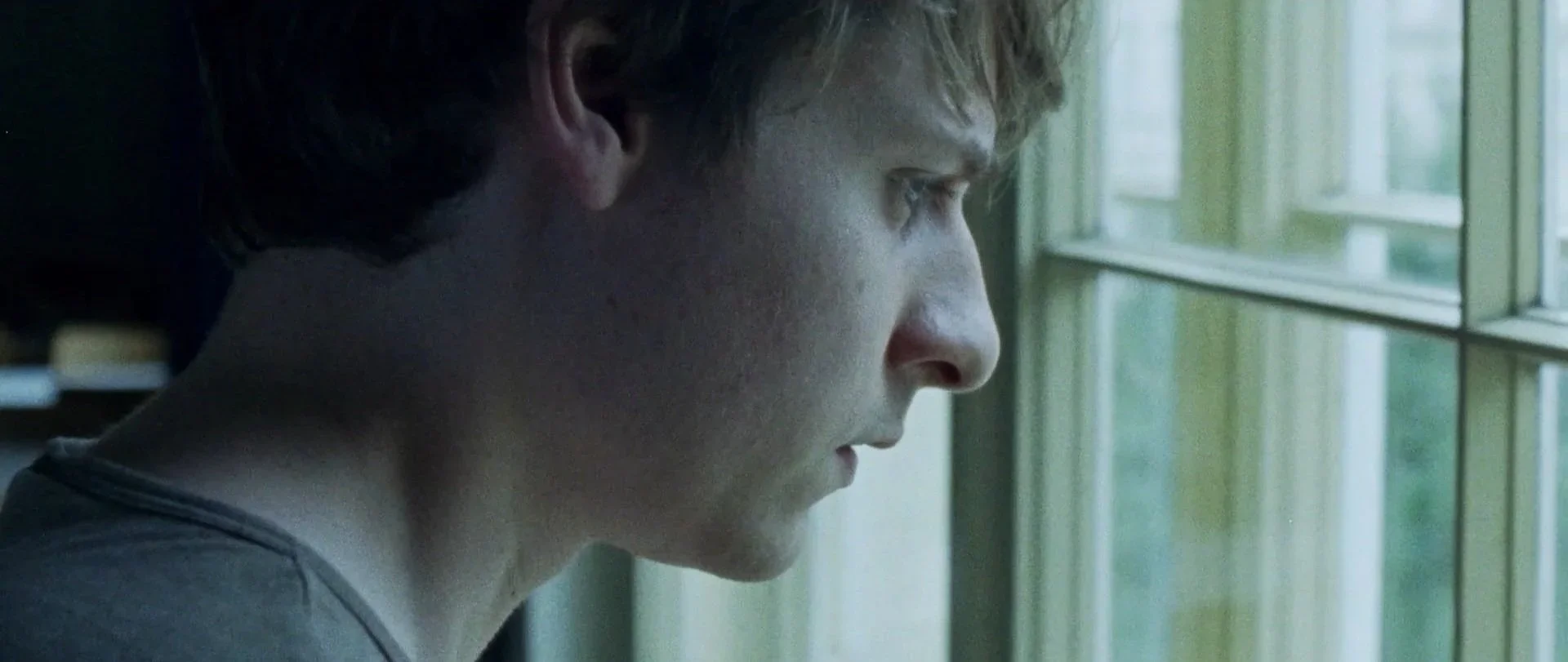
Intimacy in You’re My Bruise, shot by Julian Jonas Schmitt in 2018—an attempt to focus solely on performance and character.
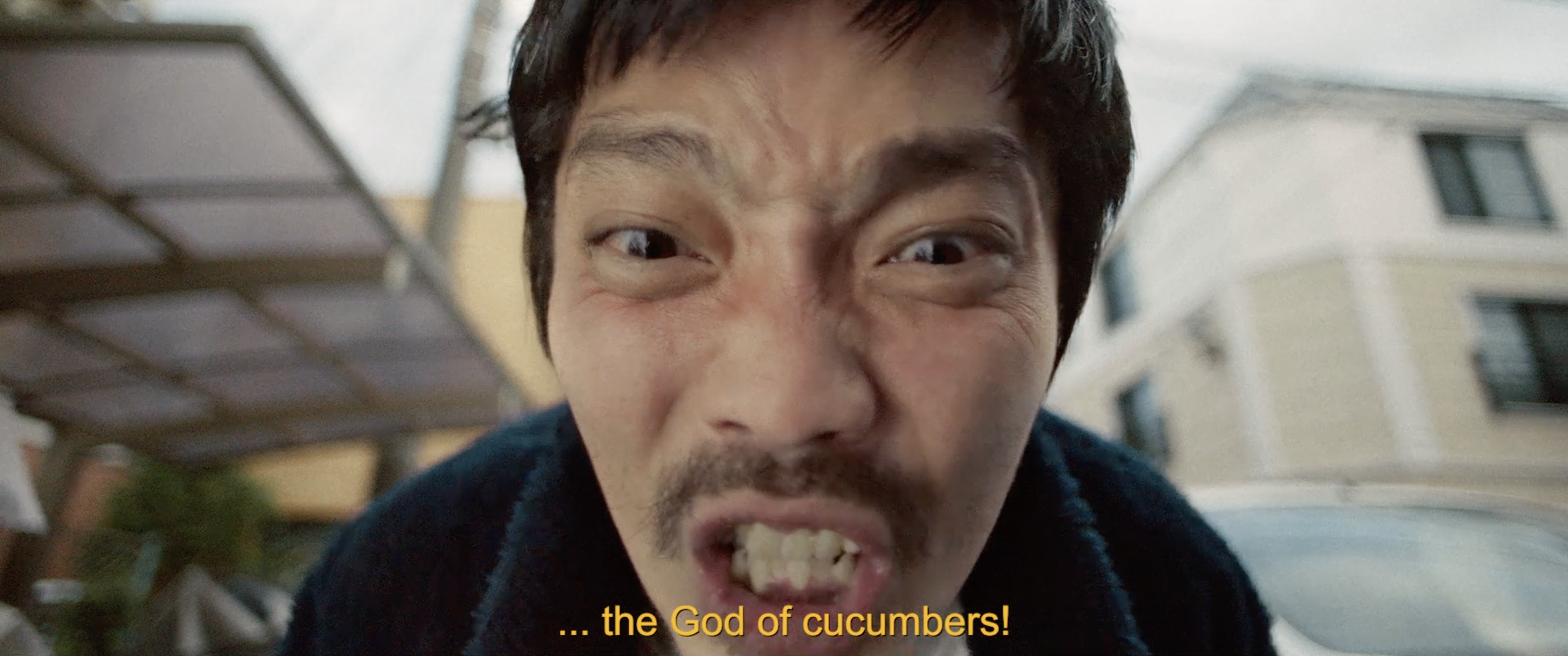
My most recent short film, Cucumber, which is still screening at festivals around the world—an attempt to make a comedy out of darker source material.
Password: cucumber
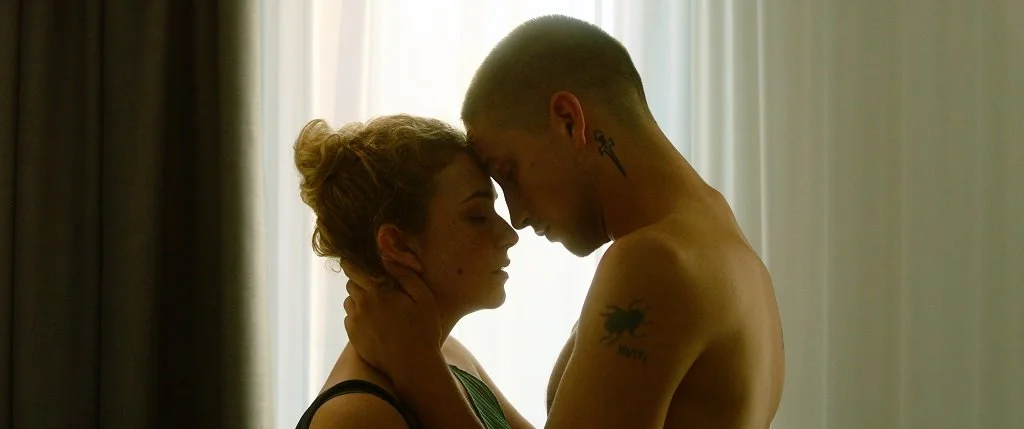
My first-year short film at DFFB, Hero, was an early attempt to visualize my experiences—shot almost ten years ago now.
For me, directing is about having enough knowledge of all the film’s artistic aspects to communicate a vision clearly, while also knowing when to make space. As a debut feature director, the obvious challenge is scale. But when the creative core can develop this early, the inevitable compromises—and the disasters that happen on set—become easier to solve without the film losing its direction.
My collaboration with co-writer Espen Th. Granseth is a concrete example of how I handle this in practice—and of the fact that I know my own blind spots. My strength as a writer lies especially in structure, detail, and the visual/musical, while Espen’s strength lies in dialogue and character. My expression is more explosive and emotional, while Espen is realistic and humorous. I love cutting down and compressing, while Espen loves building out and elaborating. I say, “We go for an Oscar,” Espen says, “hope the film makes it to cinemas.” The same applies to cinematographer Julian Jonas Schmitt. He knows how to challenge me when my ideas are dishonest or unoriginal, and he dives to the bottom of every single moment. This kind of collaboration challenges the difference between vision and ego, in the right way, and is the same way I intend to work with the rest of my team.
I have experience as an actor, including method acting at NSKI (Norwegian Acting Institute) and through the Berlin Acting Studio. This gives me a useful perspective with actors. I want to give the ensemble time before shooting: to be in character, play moments outside the narrative, and find relationships before the camera rolls. I will also devote time to rehearsals, to go deeper into the script: the motivation behind every line, what the characters are actually thinking in each moment, and what memories and places lie underneath.
I know that with one of Norway’s most experienced producers, Yngve Sæther, we will find the right team. With this The Deep becomes not just a strong idea, but a film that can be made at the level it deserves.
DEBUT
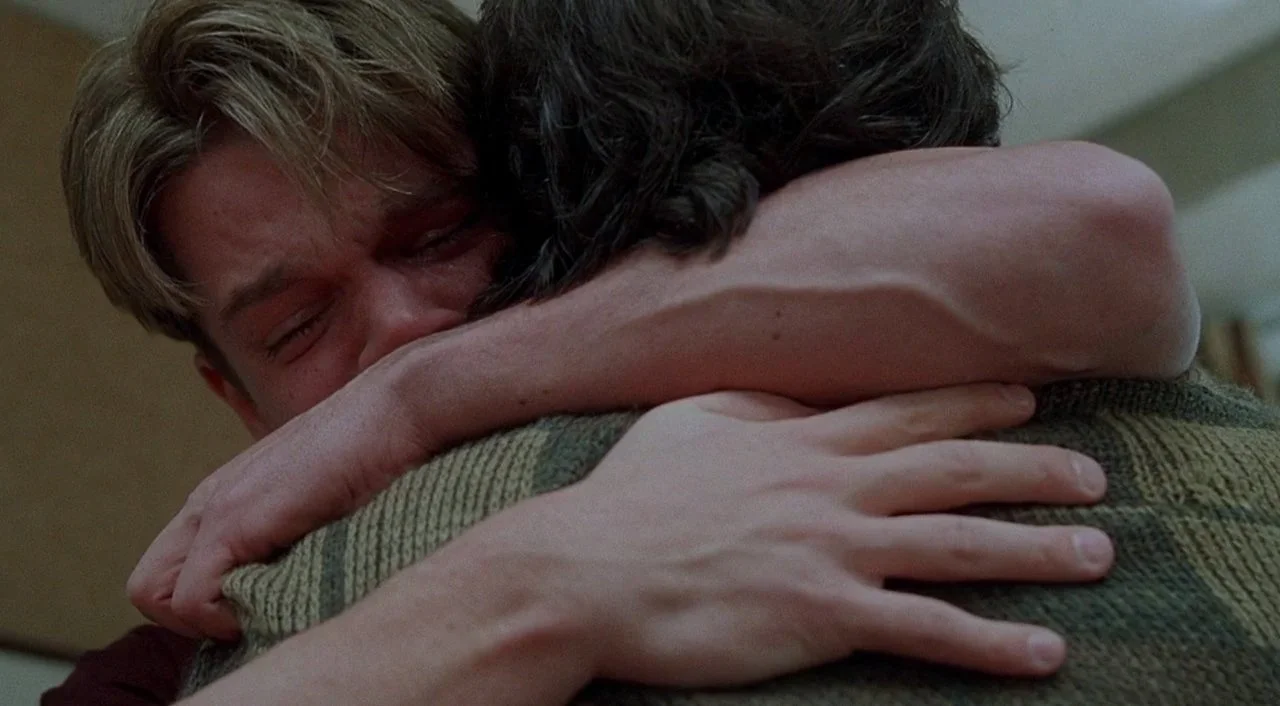
A film about the year after Utøya, directed by a survivor, could easily have become a typical Nordic drama. But I want to make a film where the core is real, while the expression is original, direct, and uncompromising. A film that dares to be funny, brutal, and tender in a singular way. One that shows the period the world remembers of recent Norwegian history from a unique perspective, and is told with a film language that captures the chaos I experienced.
The Deep is my most important story, and I hope you will support me in telling it.